Can Iron Deficiency Cause Hair Loss? A Dermatologist Explains the Signs, Diagnosis & Treatment
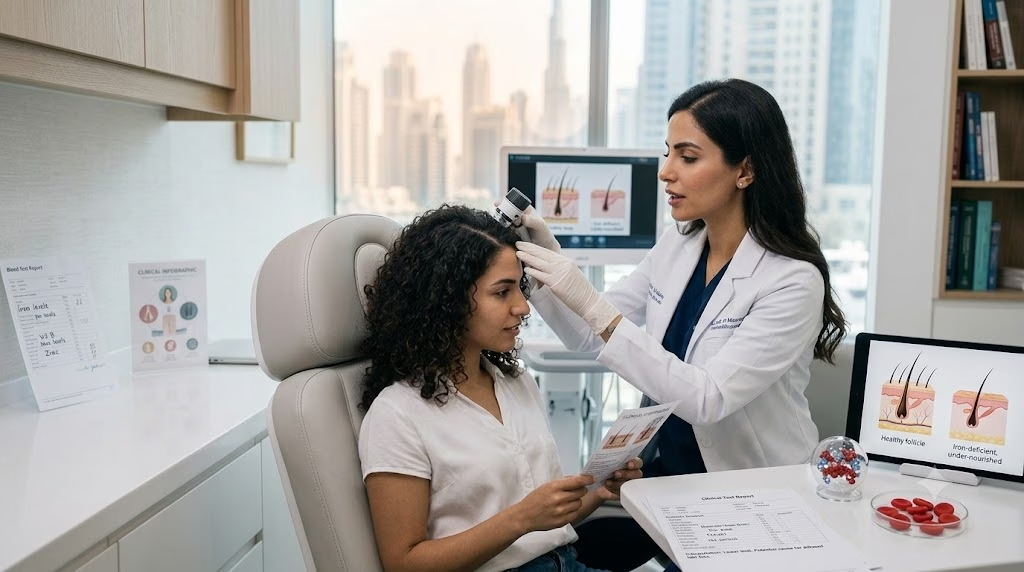
Table of Contents
Direct Answer
Yes, because iron deficiency is one of the most frequent diseases causing hair loss among females. Iron is essential for the transport of oxygen through red blood cells into hair follicles where hair is continuously supplied with oxygen and nutrition to grow healthy. If iron is lacking, the hair starts entering the resting phase earlier and sheds off easily. The AAD and NIH suggest that iron deficiency should be taken into account in individuals with an unexplained hair loss problem in case they are experiencing some other symptoms, like tiredness and menorrhagia.
TL; DR
- Iron deficiency is one of the most common causes of hair loss.
- Females suffer more often due to menstruation, pregnancy, and childbirth.
- Hair loss caused by iron deficiency is always reversible when the deficiency is treated.
- The ferritin blood test is most often conducted to determine the level of iron.
- Do not use iron supplements without a prescription from your doctor after blood tests.
- After the checking reports and assessment specialist suggest treatment like PRP for hair, GFC, Exosome Hair Treatment.
At Glow Aesthetics Dermatology Clinic, doctors check for nutritional deficiencies first.
Experiencing Abnormal Hair Loss?
One possible cause could be low iron levels in your body.
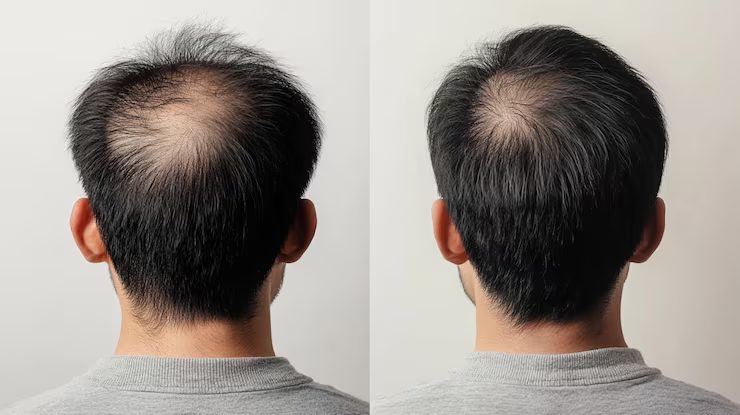
It’s often shocking for patients to discover that hair loss may sometimes be an early symptom of an iron deficiency. While it’s true that hair loss is often related to genetics and hormones, low iron in your body may sometimes disrupt the natural process of hair formation.
However, when iron deficiency is identified and properly treated at the early stages, the majority of patients may notice an improvement in their hair loss.
Why is iron necessary for healthy hair?
Yes, Iron is one of the minerals crucial in the production of hemoglobin, the protein contained in red blood cells that is responsible for oxygen transportation.
Hair follicles are some of the fastest-growing tissues in the body and need an adequate supply of nutrients and oxygen. If the iron levels are depleted, then your body will not be able to provide your hair with what they need and may cause hair loss.
According to the NIH department of Dietary Supplements, iron is crucial for proper cell growth, oxygen transport, and overall well-being.
Also Read: Can These Gym Supplement Cause Hair Loss?
Does Low Iron Really Lead to Hair Loss?
Yes, though all patients with low iron do not lose their hair.
Clinical trials have proven that iron deficiency is associated with various types of hair loss, especially telogen effluvium, which is characterized by excessive number of hairs entering into the resting phase.
Iron deficiency leads to disruption of the natural hair cycle, and causes:
- Increased amount of hair shedding on daily basis
- Reduced hair volume
- Slower rate of hair growth
- Hair thinning diffusely on the scalp
Hair recovers once iron levels normalize; however, it requires some time.
Who Is at Risk for Hair Loss Caused by Low Iron?
Some people have a higher risk of iron deficiency.
It applies to those who:
- Suffer from heavy menstruation
- Are pregnant or have just delivered a baby
- Follow vegetarian or vegan diet lacking in iron
- Suffer from diseases that lead to poor absorption of iron in the body
- Have constant blood loss
- Conduct regular blood donation
Women within reproductive age belong to the group of people who experience such problems.
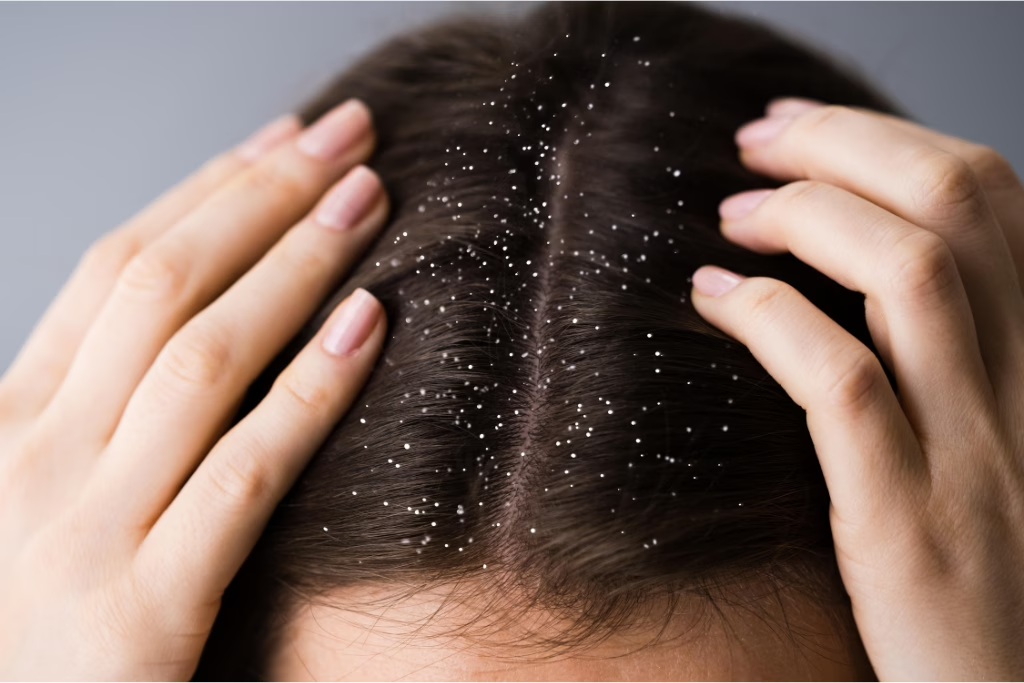
Must Check Possibilities: Does Dandruff Cause Hair Loss?
What Are the Symptoms of Iron Deficiency?
Hair loss is not usually the only symptom.
Symptoms are:
- Hair thinning and shedding
- Tiredness
- Weakness
- Pale complexion
- Brittle nails
- SHORTNESS OF BREATH
- Headaches
- Concentration problems
- Cold hands and feet
If these symptoms accompany hair loss, medical advice should be first.
Also Read: Which Vitamin Deficiency Cause Hair Loss?
How Do Dermatologists Diagnose Iron Deficiency Hair Loss?
Guesswork is less accurate than blood tests.
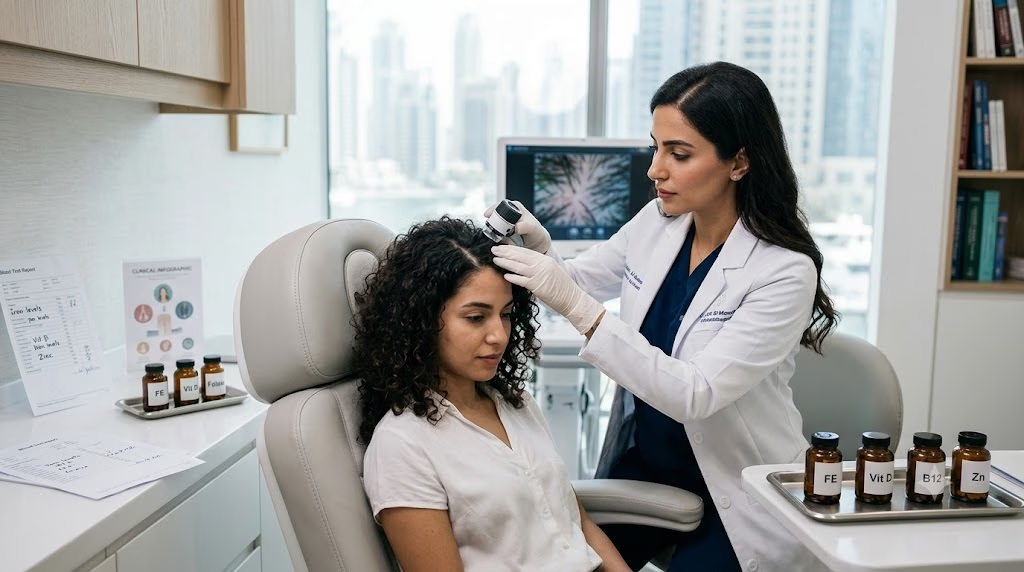
Since hair loss can have many causes, dermatologists do investigations before suggesting supplements.
The investigation for hair loss usually includes:
- History taking
- Physical examination of the scalp
- Hair pull test
- Trichoscopy
- Blood tests such as
- Ferritin
- Complete Blood Count (CBC)
- Serum iron
- Total Iron Binding Capacity (TIBC)
- Vitamin D
- Vitamin B12
- Thyroid function tests (TSH, Free T4)
At Glow Aesthetics Dermatology Clinic, blood tests are performed only if clinically indicated.
Also Read: How to Choose Right Dermatologist for Hair Loss in Dubai?
Does Hair Regrow After Treatment of Iron Deficiency?
Yes, most likely.
The hair loss due to iron deficiency is usually temporary, meaning that once the body’s iron levels become restored, the process of the usual growth of the hair cycle will begin. However, as hair takes time to grow, recovery can take three to six months and even longer depending on the severity and duration of the deficiency.
Diagnosis at an early stage usually helps recover successfully.
Iron Deficiency vs Other Causes of Hair Loss
Cause | Hair Loss | Usually Reversible? |
Iron Deficiency | Yes | Usually Yes |
Vitamin D Deficiency | Yes | Often Yes |
Vitamin B12 Deficiency | Yes | Often Yes |
Thyroid Disorders | Yes | Often Yes |
Androgenetic Alopecia | Yes | Progressive without treatment |
Alopecia Areata | Yes | Variable |
Expert Tips
Preserve your hair by preserving your iron levels.
Doctors advise:
- Consume iron-rich food such as lean meat, fish, beans, lentils, spinach, and fortified cereal.
- Consume plant-based sources of iron alongside vitamin C foods.
- Don’t consume iron supplements unless blood tests are done.
- If hair fall lasts longer than six to eight weeks, you should visit a doctor.
- Treat the iron deficiency cause and not the hair loss.
Read for Tips: Our Hair Specialist Gave 10 Tips for Stop Hair Loss
Common Mistakes
Don’t fall into these traps:
- Consuming iron supplements without having a deficiency.
- Supposing that all hair loss is caused by iron deficiency.
- Not addressing heavy periods or digestive issues.
- Expecting hair regrowth immediately after treatment begins.
- Taking hair vitamins only without seeing a doctor first.
Frequently Asked Questions
- Does iron deficiency lead to hair loss?
Yes. Iron deficiency is among the common nutritional reasons for hair loss.
- Is hair loss due to iron deficiency irreversible?
It depends. The hair will usually grow back when iron levels and the deficiency causes are managed.
- What blood test shows iron status?
The serum ferritin blood test can be conducted to measure the body’s iron levels.
- How much time does it take for hair to grow back?
Signs of improvements start to show between three to six months after correction of the deficiency.
- Should I take iron pills for my hair loss?
Only if a health care professional finds that you have iron deficiency via blood tests.
- Does low ferritin lead to hair thinning?
Yes. There are cases in which hair thinning results from low ferritin levels in the body.
- What foods are rich in iron?
They include beef, poultry, fish, beans, lentils, spinach, pumpkin seeds, tofu, and fortified cereals.
- Can men experience iron deficiency?
Yes. Although rare, men may experience iron deficiency, and medical evaluation is recommended.
- Does iron deficiency caused by pregnancy cause hair loss?
Yes. Hair loss occurs as a result of iron deficiency during and after pregnancy.
- Which doctor should I consult?
A dermatologist can help to diagnose hair loss and find appropriate tests in case of a possible deficiency after they suggesting non-surgical treatments like prp, gfc & exosomes.
Doctor’s Point of View
“Most people start taking hair supplements without knowing why their hair is falling out. As doctors, we often find that the cause is actually iron deficiency, vitamin D deficiency, thyroid issues, hormonal changes or stress-related shedding. We can offer the right treatment once the correct diagnosis is made.”
Conclusion
Can iron deficiency cause hair loss?
Yes. Hair loss due to iron deficiency is quite common and can be easily treated, especially in women. Due to the number of diseases that could cause hair loss, a correct diagnosis with relevant blood tests becomes an absolute necessity before taking any supplements. In the vast majority of cases, patients start experiencing improvements gradually.
Hair thinning or excessive hair shedding? Our dermatologists at Glow Aesthetics can perform a comprehensive scalp examination, conduct necessary lab tests and create a tailor-made treatment program for you, using growth factor for hair, PRP hair treatment, exosomes hair loss treatment, Microneedling for Hair & etc.
References
- American Academy of Dermatology (AAD): Hair Loss – https://www.aad.org/public/diseases/hair-loss
- National Institutes of Health (NIH) – Office of Dietary Supplements: Iron Fact Sheet – https://ods.od.nih.gov/factsheets/Iron-HealthProfessional/
- MedlinePlus (U.S. National Library of Medicine): Iron Deficiency Anemia – https://medlineplus.gov/
- PubMed: Iron deficiency and nonscarring alopecia research – https://pubmed.ncbi.nlm.nih.gov/
Medically Reviewed Skincare Advice
 12+ Years Experience
5,000+ Patients Treated
Dermatology & Aesthetic Skin Therapist
 12+ Years Experience
Get Free Consultation Now!
+971 - 56 548 7001