Does Creatine Cause Hair Loss? Expert Clarifies the Facts
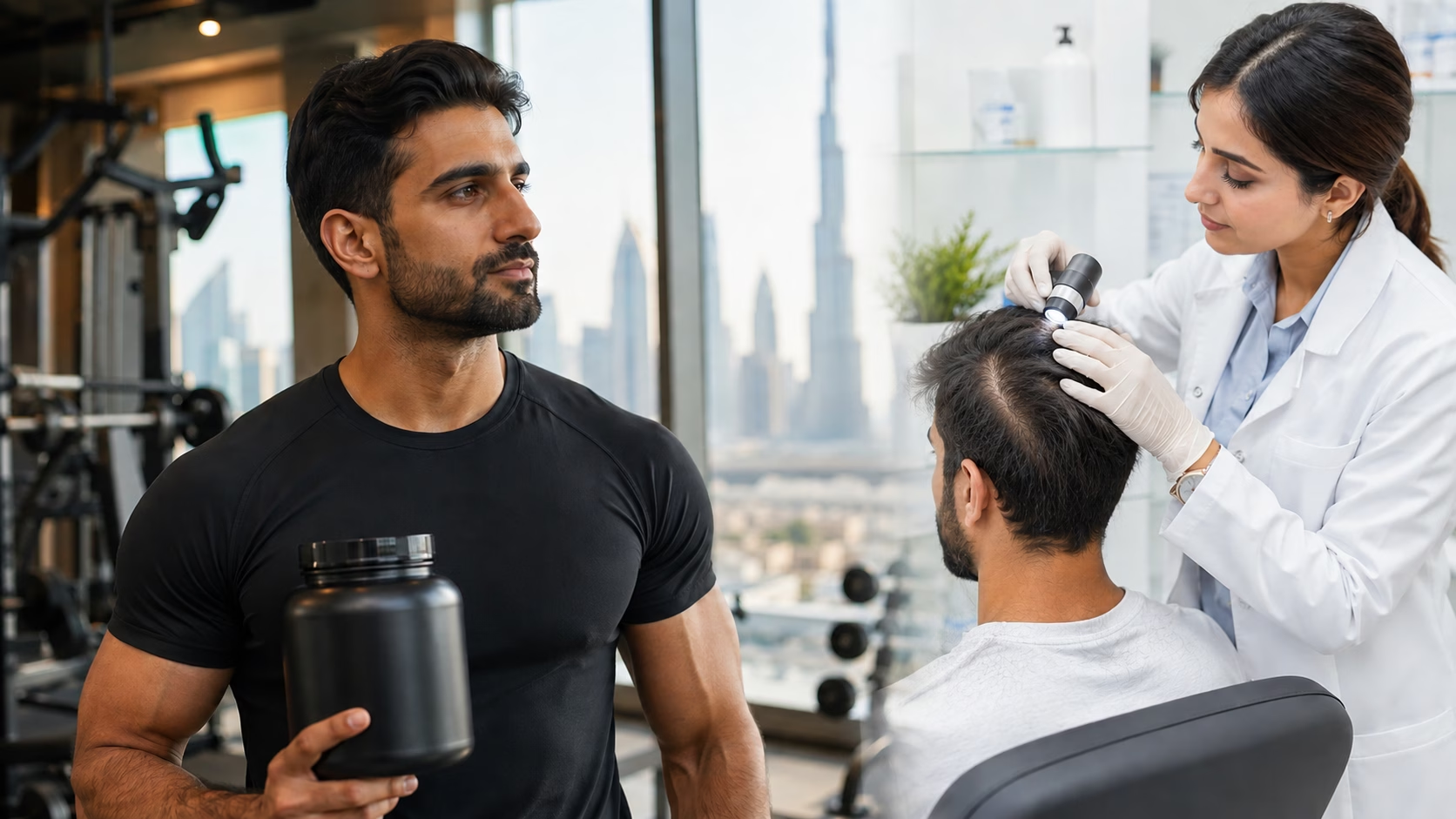
Table of Contents
Direct Answer
Not really. At present, there is no scientific proof that creatine induces hair loss. It stems from one experiment where creatine was found to raise levels of a certain hormone associated with genetic hair loss, but further research has been unable to establish any link between creatine and hair loss. If you experience hair loss on creatine use, other factors, like genetics, stress, nutritional deficiency, sickness, or hormonal imbalances, could be the reason.
TL; DR
- There is not enough evidence about the direct connection between creatine and hair loss.
- The reason for worrying about the matter was one study claiming an increase in DHT level, although this discovery has never been verified.
- Genetic hair loss (androgenetic alopecia) stays the most frequent trigger factor for the hair loss problem.
- Malnutrition, hard workouts, stress, and insomnia can also lead to excessive shedding.
- It is possible to determine the real reason for hair loss with help from an aesthetic dermatologist.
Such clinics as, for example, Glow Aesthetics Dermatology Clinic concentrate their efforts on the detection of the reason.
Does Creatine Cause Hair Loss And Baldness?
Creatine is among the most studied sports supplements available in the world and has been utilized to boost strength, the performance of muscular activity and exercise recuperation. Although so popular, there is still some confusion regarding whether or not creatine may lead to hair loss.
This concern is being shared on social media platforms, fitness forums, and online discussions. But science has a more sobering side to the story. Knowing the facts about the effects of creatine and what’s really causing hair loss can help you make better decisions.
What Is Creatine & What works out?
Creatine is a naturally occurring substance that is found in the body, specifically in the muscles and the brain. It assists in creating energy in short bursts of high intensity exercise.
Creatine is used by a number of athletes and fitness enthusiasts for the following purposes:
- Strength training
- Muscle performance
- Exercise recovery
- Lean muscle development
Creatine is not a hormone and does not in itself harm the hair follicles.
Can you always expect hair loss with an elevated DHT?
Not necessarily.
DHT affects hair follicles mainly in people who are genetically sensitive to it. If your DHT levels don’t fluctuate in any way, it doesn’t necessarily mean you will experience hair loss.
The factors of hair thinning are:
- Genetics
- Family history
- Hormonal sensitivity
- Age
- Overall scalp health
Why do individuals believe creatine causes hair loss?
It is primarily because of a small study from 2009 on rugby players. Creatine supplementation was seen to increase levels of dihydrotestosterone (DHT). DHT is a hormone that is linked to male or female pattern baldness.
But the study did not actually count hair loss, and subsequent studies haven’t always yielded the same hormonal shifts. As of now, there is no clear-cut connection between the use of creatine and hair loss.
What Are the Real Causes of Hair Loss?
Is there another reason for your hair loss?
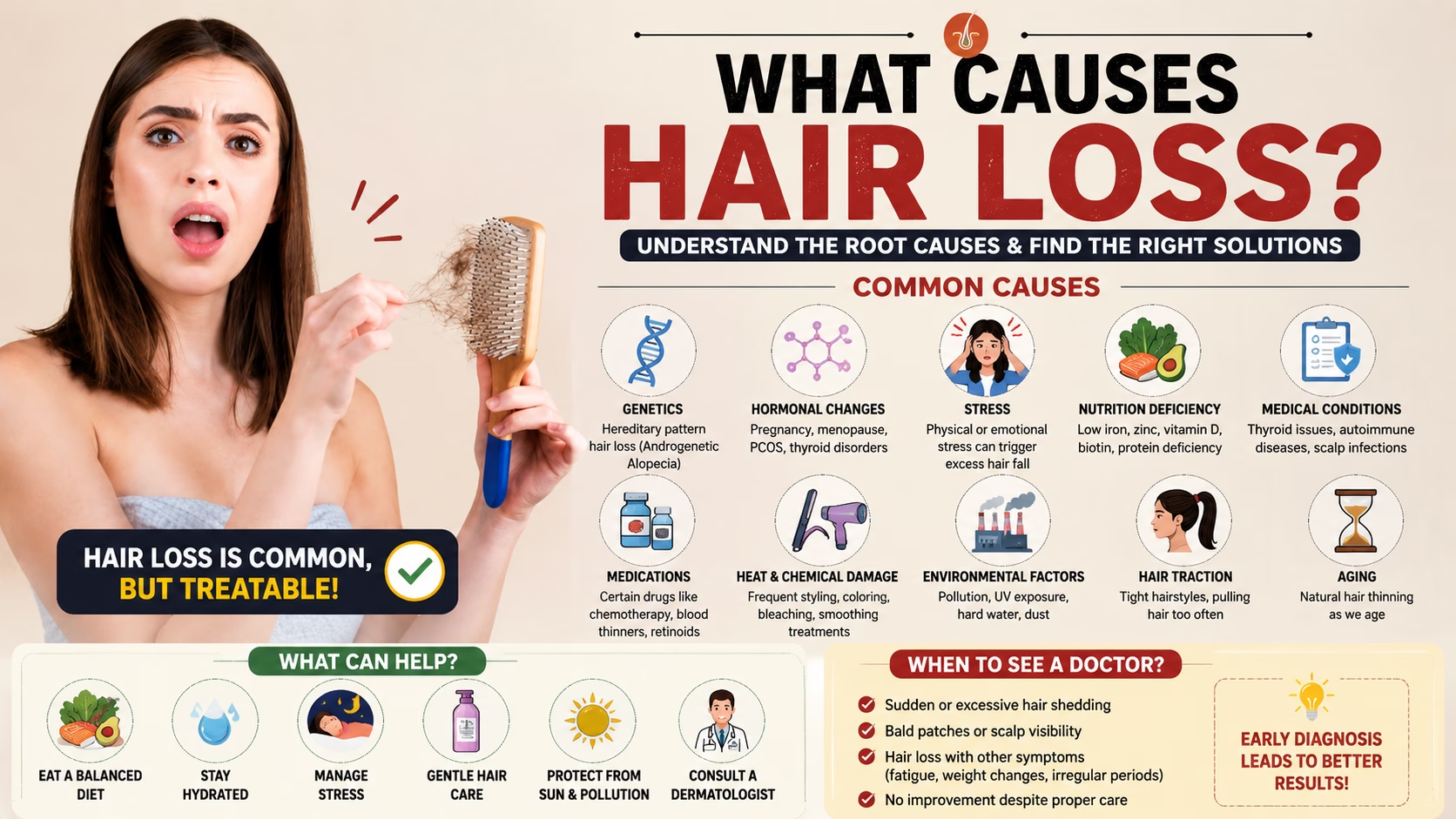
Yes. In the dermatology field, the most frequent causes of hair loss are:
- Androgenetic alopecia
- Telogen effluvium is a shedding caused by stress.
- Iron deficiency
- Vitamin D deficiency
- Thyroid disorders
- Hormonal imbalance
- Rapid weight loss
- Illness or surgery
- Certain medications
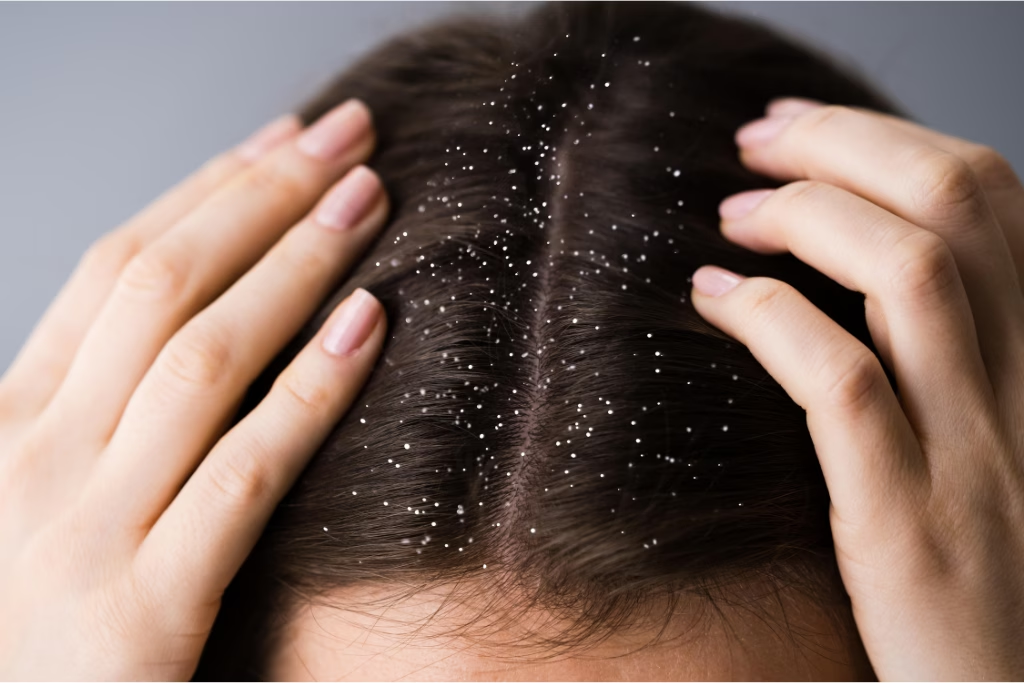
- Dandruff Cause
Intense training can also lead to temporary shedding if you are being physically stressed, calorie deficient or suffering from poor nutrition, but not through creatine.
Find Other Ways: What Causes Hair Loss in Men & Women? 12 things to prevent
How to Determine the True Cause?
If you notice that hair loss keeps going on for several weeks or becomes more severe, see a dermatologist, don’t quit supplements right away.
The following elements should be part of an appropriate assessment:
- Medical history
- Scalp examination
- Hair pull test
- Dermoscopy (trichoscopy)
- Determine blood tests as needed
At Glow Aesthetics Dermatology Clinic, dermatologists will aim to pinpoint the root cause of the skin condition before suggesting a customised approach to treatment. In our clinic we have multiple treatments like PRP for Hair, Growth Factor Hair Treatment, Microneedling for Hair Loss.
Creatine vs Genetic Hair Loss
Factor | Creatine | Genetic Hair Loss |
Proven cause of hair loss | No | Yes |
Scientific evidence | Limited | Strong |
Permanent hair follicle damage | No evidence | Progressive without treatment |
Needs dermatologist evaluation | If hair shedding occurs | Yes |
Expert Tips : What are ways to avoid damaging hair during the use of creatine?
- Consume sufficient amounts of protein, iron, zinc and vitamin D.
- Don’t go on crash diets when training.
- Get plenty of rest and learn to cope with stress.
- Keep an eye on any new hair loss for a few weeks.
- If you do not see any improvement in your hair fall or have a family history of hair loss, get a medical opinion.
- Quitting creatine without establishing the real cause may not be able to resolve the issue.
Common Mistakes
Don’t fall for these common misconceptions:
- Assuming that all the hair loss incidents are due to creatine.
- Using social media rather than medical facts.
- Ignoring nutritional deficiencies.
- Self-medicating without diagnosis.
- Waiting for dermatology treatment if continued hair loss
Avoid Mistakes to Read: MOH Certified Specialist Give 10 Tips to Prevent Hair Loss
Frequently Asked Questions
- Is there any evidence that shows there is a direct relationship between creatine and hair loss?
At this time, there is no evidence that creatine is directly linked to hair loss.
- Can creatine increase DHT?
In one small study, there was a temporary rise, but not in later studies.
- If I’m losing hair should I stop taking creatine?
Not necessarily. The first step is to find out what is really causing the issue with the dermatologist.
- Will creatine be safe for women?
Yes. When suitable, healthy women may use creatine, but it’s important to have a medical evaluation for persistent hair loss.
- Can creatine cause permanent baldness?
Creatine does not damage the hair follicles permanently.
- Does creatine impact on Testosterone?
Capsules of creatine have not been shown to significantly raise the levels of testosterone in most studies.
- Does intense exercise stress the hair out and lead to hair loss?
Yes. Temporary shedding can be caused by physical stress and lack of recovery.
- What tests can determine hair loss?
Symptoms may warrant blood tests to check iron deficiency, vitamin D, thyroid function, vitamin B12 and hormone levels.
- Is it possible to begin to experience the effects of genetic hair loss during a period of creatine usage?
Yes. It could be just a coincidence, particularly if you have a genetic predisposition.
- When to see a Dermatologist for hair loss?
If hair loss continues beyond 6-8 weeks, if it gets worse, or if there are any symptoms of the scalp or if visible thinning of the hair occurs, you should see DHA certified specialist or aesthetic physician.
Finally, Is creatine a hair loss cause?
As of now, there is no evidence that creatine can lead to hair loss. The worry is primarily due to one initial study which has not been uniformly confirmed in later studies. The majority who have thinning hair during creatine use are probably suffering from one of the other causes of thinning hair, such as genetics, stress, nutritional deficiencies, hormonal changes, or other medical issues.
Persistent hair shedding is a sign to get an expert evaluation. The hair loss specialists at Glow Aesthetics Dermatology Clinic take a comprehensive approach to hair loss, determining the true cause, and offering scientifically sound treatment options based on each patient’s needs.
References
- American Academy of Dermatology (AAD): https://www.aad.org/public
- National Institute on Aging (NIH): https://www.nia.nih.gov/
- PubMed: https://pubmed.ncbi.nlm.nih.gov/
Medically Reviewed Skincare Advice
 12+ Years Experience
5,000+ Patients Treated
Dermatology & Aesthetic Skin Therapist
 12+ Years Experience
Get Free Consultation Now!
+971 - 56 548 7001