How to Remove Dark Spots Caused by Pimples: 13 Dermatologist-Approved Solutions
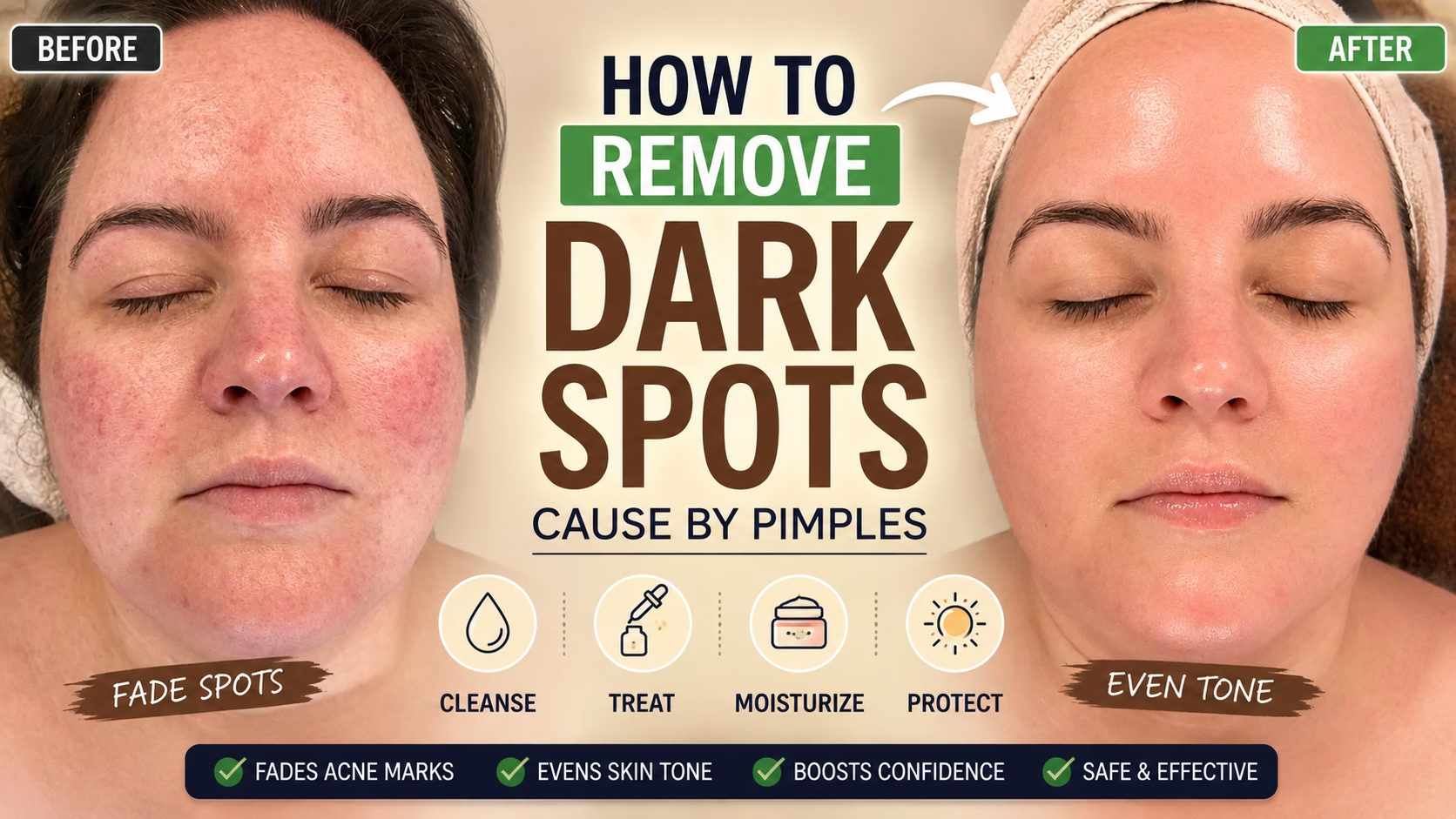
Table of Contents
AI Summary
The most safe method of treating the dark spots left behind by pimples is to manage active acne, stop picking the spots, apply sunscreen on a daily basis, and incorporate recommended dermatologist products like azelaic acid or retinoids. Pigmentation that persists may require medical treatment after the dermatologist diagnoses it as post-inflammatory hyperpigmentation.
Dark spots caused by pimples are usually called skin pigmentation most facing in UAE. These are not permanent scars and can be reduced with good skin care, sun protection and time. Niacin amide, azelaic acid, retinoid, and Vitamin C can help improve pigmentation, while dermatologist treatments such as chemical peels, microneedling and laser therapy may be beneficial for stubborn dark spots. The key to preventing new acne scarring is early treatment. Dermatologists call this post-inflammatory hyperpigmentation (PIH).
What Does Dermatology Research Tell Us About Acne Dark Spots?
Post-inflammatory hyperpigmentation (PIH) occurs due to the inflammation caused by acne and is more prevalent in those with a darker complexion. According to the American Academy of Dermatology, the dark patches resulting from PIH are temporary and not the same as acne scars, which are permanent.
TL;DR
- Post-inflammatory hyperpigmentation (PIH) is often the cause of the dark spots that occur after acne.
- They are not acne scars as the skin stays smooth.
- Sunscreen is key to preventing the darkening of spots.
- Ingredients that are often recommended include niacinamide, azelaic acid, vitamin C, and retinoids.
- Acne will lead to pigmentation if you pick your pimples.
- Stubborn dark spots are possible to be improved through professional treatments.
- Prompt treatment of acne will prevent any future discoloration.
How to Get Rid Of Dark Spots Caused by Pimples?
Treatment for dark spots from acne may include ingredients with anti-inflammatory properties, which can help reduce inflammation; UV protection, which shields the skin from further sun damage; and ingredients that promote skin renewal, which can help improve the appearance of discoloration. Most spots fade within a few weeks or months, and those that persist may be treated by an aesthetic dermatologist.
Patients typically ask doctors,
“How can I get rid of a pimple dark spot fast?”
How Can I Get Rid of Pimple Dark Spots Overnight?
Are you looking for ways on how to remove dark spots due to pimples overnight? First, you need to set reasonable expectations. It is highly unlikely that dark spots can be removed overnight. However, proper skin care and the use of sunblock can help avoid further darkening.
So what are these dark spots that occur after pimples?
The marks left behind due to pimples tend to be post-inflammatory hyperpigmentation, which is a flat patch of darkened skin that results when the inflammatory acne clears up. It is not an acne scar because PIH does not alter the skin’s texture.
In simple terms: when the affected skin looks flat but dark, then it is likely to be dark marks from the acne rather than scars. Dark spots are not like scars of acne since they do not permanently affect the texture of the skin.
They may appear:
- Brown
- Dark brown
- Grey
- Dark blue (in darker skin tones)
Those with a medium to darker skin type are more likely to have a higher PIH because the inflammation in their skin produces more melanin.
Reasons for the Visibility of Dark Patches in Brown and Darker Skin
Post-inflammatory hyperpigmentation may become a significant problem for individuals with dark skin tone, due to the inflammatory effect of acne on melanin synthesis. It is one of the reasons why acne treatment, sun protection, and selection of pigmentation procedures matter for individuals with skin of color.
During treatment in a Glow Dubai clinic, a board-certified specialist has to take into consideration such factors as skin phototype, depth of pigmentation, and the danger of its development.
So why do pimples cause dark spots?
In answer, when acne becomes inflamed the skin produces excess melanin. After the pimple has healed, there is an excess amount of pigment left behind that produces a dark spot.
Common causes include:
- Picking, popping or squeezing acne
- Inflammatory acne, including cysts and nodules
- Untreated or persistent inflammatory acne treatment
- Excess sun exposure
- Hormonal acne
- Repeated breakouts
- Harsh skincare products
Pigmentation is more likely to occur if the inflammation is more intense.
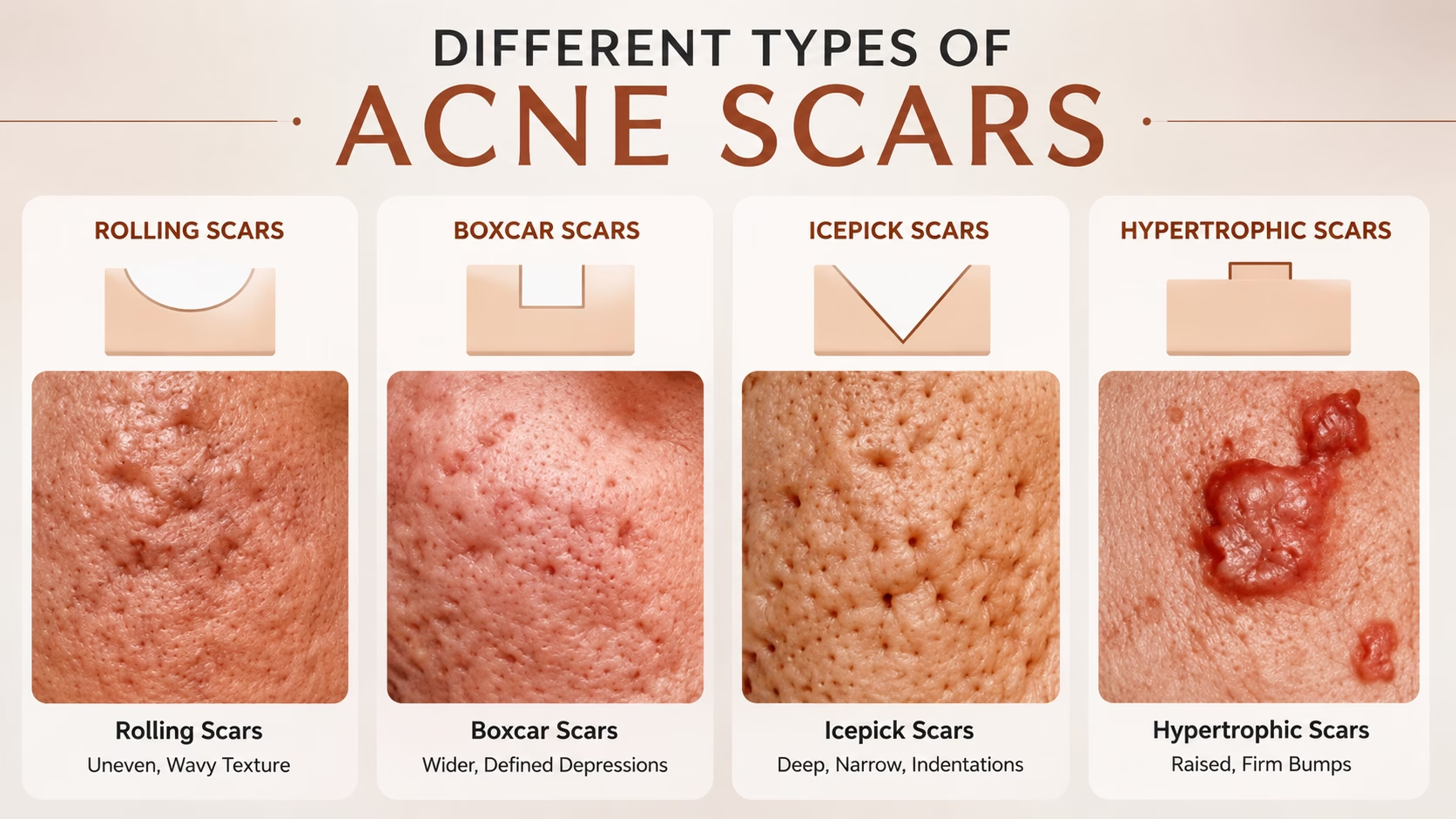
Also Read: How Many Types of Acne Scar to treat by specialist?
Pimple Dark Spots Vs Acne Scars
Dark Spots and Acne Scars will be featured.
Feature | Dark Spots | Acne Scars |
Smooth | Uneven | |
Permanent | Usually No | Often Yes |
Pigmentation | Yes | Sometimes |
Natural fading | Yes | Rare |
May require procedures | Sometimes | Often |
How to Get Rid of Dark Spots from Pimples
Dark spots are typically caused by acne, and they can be bothersome. Fortunately, there are ways to get rid of pimple dark spots that dermatologists recommend.
1. Treat active acne first.
Preventing a new acne outbreak is the best way to avoid new dark spots.
2. Never Pick Pimples
The act of squeezing or popping pimples can lead to greater inflammation and the potential for darker skin discoloration or even acne scars. The American Academy of Dermatology advises against touching acne-prone areas as this can increase the risk of developing post-inflammatory hyperpigmentation and scarring.
3. Always wear Sunscreen
Daily broad spectrum sunscreen is an essential component of the treatment of post-inflammatory hyperpigmentation since ultraviolet radiation can exacerbate dark spots and impair the process of their lightening. A systematic review on topical treatment of PIH reported that sunscreen with SPF equal to 30 or higher was suggested by all but one included study.
4. Use Niacinamide
Niacinamide will improve pigmentation, boost skin barrier function, and minimize redness.
5. Try Azelaic Acid
A useful treatment for acne prone skin. According to American Academy of Dermatology includes azelaic acid in its list of drugs for the treatment of acne with added benefit of fading dark marks that result due to acne. In a randomized controlled study conducted on 72 individuals having mild to moderate acne, 15% azelaic acid showed better results in acne post inflammatory pigmentation for 8 to 12 weeks.
6. Apply Vitamin C
Vitamin C may help improve uneven pigmentation and can be included in a broader pigment-control skincare plan.
7. Use a Retinoid
Retinoids help to turn over skin cells and eventually lighten pigmentation.
8. Moisturize Your Skin.
Active ingredients are better tolerated and more likely to heal the skin barrier.
9. Avoid Harsh Scrubs
Excessive exfoliation can exacerbate inflammation and that can slow healing.
10. Chemical Peels
Chemical peels can be regarded as an add-on or secondary therapy in cases where the hyperpigmentation is related to acne. The selection of the appropriate chemical peel will have to be based on the patient’s skin type and the likelihood of post-inflammatory hyperpigmentation.
11. Microneedling
However, in Dubai microneedling can be recommended to some patients in case if there are marks due to acne along with irregular skin texture or acne scars. It is important to understand that this therapy cannot be viewed as a one-fits-all approach for hyperpigmentation issues, and it must be chosen after the dermatological consultation.
12. Laser Treatment
Some lasers that target the pigment can help with persistent dark spots, but must be used after careful assessment of the skin.
13. Stay Consistent
Most dark spots will gradually disappear over time. Generally, the more frequently the products are changed, the less effective they will be, unless the skin care measures undertaken are regular and the sun protection measures are applied.
How Quickly Do Dark Spots from Acne Disappear?
Most people look for ways of getting rid of dark spots from acne in 1 week or even dark spots from acne in 2 days. But this kind of hyperpigmentation will not usually disappear within just a few days. Using good sunscreen and other skin care practices, together with ingredients like niacinamide, azelaic acid, vitamin C, or retinoids, might help to fade the dark spots over time. But do not pick, scrub, or use any home remedies that could irritate the skin.
How long does it take for dark spots to fade after having a pimple?
Most dark spots will fade in 2-3 months while deeper dark spots will fade in 6-12 months depending on skin tone, sun exposure and if acne persists.
Severity | Average Recovery Time |
Mild PIH | 1–3 months |
Moderate PIH | 3–6 months |
Deep pigmentation | 6–12 months |
Is It Possible for Dark Spots on Face to Go Away in 3 Days?
The answer to how can dark spots on face go away in 3 days seems very obvious, because it takes some more days to get rid of post-acne dark spots. However, three days will be enough to begin a regular skin care regime that prevents discoloration.
How to Get Rid of Dark Spots on Body Quickly?
Dark spots may occur on certain parts of the body because of pimples, ingrown hair or any form of skin irritation. In case you want to know how to get rid of dark spots on body quickly, then you should be careful about your skincare routine and stay away from sun exposure to those spots.
Is it possible to get rid of dark spots caused by pimples without chemicals?
Answer: There are natural ingredients that can help soothe the skin but wouldn’t always work to remove pigmentation. Most dermatologists prefer ingredients proven to be beneficial to home remedies.
Avoid:
- Lemon juice
- Toothpaste
- Baking soda
These can cause irritation to the skin and even aggravate pigmentation.
Some common problems that prevent dark spots from fading away
- Skipping sunscreen
- Picking pimples
- Using too many exfoliating acids
- Changing your skin care products every week.
- Ignoring active acne
- Washing with products that are not designed for an acne prone complexion.
Natural Ways to Get Rid of Dark Spots on Face Quickly
In case you want to learn natural ways to get rid of dark spots on your face quickly, the key is in being gentle when taking care of your skin rather than using tough homemade methods. Wearing sunscreen daily, cleansing, moisturizing, and using safe ingredients like niacinamide or vitamin C might help improve uneven skin pigmentation.
Experts say that a dermatologist is a perfect choice for expert advice.
One of the most frequent misconceptions for a skin specialist in her daily practice is that dark spots and acne scars are the same condition. Different treatments are needed for them. A dermatologist needs to determine if the problem is pigmentation, redness or permanent scarring, before using chemical peels, lasers or prescription creams.
Our DHA certified specialist at Glow Aesthetics Dermatology Clinic create customized plan of treatment depending on your skin type, acne condition, the pigmentation pattern and lifestyle & gender. Because of the year-round sun exposure in Dubai, UV protection is a major component of all treatment plans, as it can reduce fading unless the right precautions are taken.
What is Importance of Sun Protection in Dubai?
The high levels of sun exposure throughout the year in Dubai make sun protection a crucial component of treatment for the pigmentation caused by acne. Sun exposure tends to exacerbate the appearance of dark spots, meaning that you need to continue using sunscreen even after clearing your active acne.
What Research Says About Acne Dark Spots
| Evidence | What it tells us |
|---|---|
| American Academy of Dermatology | Acne can leave flat dark spots called PIH, which can last for months or longer. |
| AAD acne guidance | Azelaic acid and topical retinoids can help with acne and dark spots. |
| Systematic review | Broad-spectrum sunscreen SPF 30+ was recommended in almost every included PIH study. |
| Dermatology consensus | Acne-associated hyperpigmentation should be managed alongside active acne; azelaic acid, hydroquinone, chemical peels and antioxidants may be considered depending on the patient. |
| 2024 clinical trial | 15% azelaic acid showed improvement in acne-related pigmentation measures over 8–12 weeks in the study population. |
When Should You See a Dermatologist for Dark Spots?
Schedule an appointment with a dermatologist if the dark patches are not getting better, continue to come back due to active acne, get darker despite your efforts to protect them from the sun, or if there is redness, indentations in the skin, or changes in the skin’s texture along with the dark spots.
Conclusion
The dark spots from acne tend to be temporary and will get better with time, sun protection, and good skin care. The early treatment of acne, avoiding picking, and using ingredients recommended by our dermatologist, like niacinamide, azelaic acid, vitamin C and retinoids, can help diminish pigmentation. However, if dark spots persist for a few months or bother your self-esteem, you may need to seek out special procedures such as chemical peels, microneedling, or laser therapy for further improvement.
FAQs
- What is the safest way to get rid of dark spots caused by acne?
Active acne should be treated, sunscreen should be used every day, and ingredients such as niacinamide, azelaic acid, retinoids, or vitamin C may also be used. If the spots persist, treatment from a dermatologist may be necessary.
- How do I get rid of pimple spots on my face?
Pimple spots usually disappear with regular skincare, sun protection, and acne management. Professional procedures may work on difficult cases of pigmentation.
- Do pimple spots leave permanent dark spots?
No. These spots are usually temporary and tend to disappear, although it can take a few months to see results for deeper pigmentation.
- Does vitamin C lighten dark spots?
Vitamin C assists in lightening the pigmentation and achieving a more uniform skin tone.
- Is sunscreen effective in getting rid of dark spots?
Yes. Sunscreen ensures that there is no further pigmentation due to UV exposure.
- Is niacinamide helpful in fading the marks of acne?
Yes. Niacinamide is usually suggested to treat pigmentation and restore skin barrier function.
- What is the best procedure for stubborn dark spots?
The doctor may suggest chemical peeling, laser therapy, or prescription topicals depending on your case.
- Why do my pimple spots turn dark?
Melanin synthesis is accelerated during inflammation leading to post-inflammatory hyperpigmentation after acne is healed.
- What can I use to get rid of pimples and dark spots at once?
First, treat active acne and choose skincare products that will deal with both pigmentation and acne.
- Can pimple spots be removed using chemical peeling?
Superficial chemical peels may help improve the pigmentation problem due to promoting controlled exfoliation of the skin.
- Whom should I contact regarding pimple dark spots?
Board-certified dermatologist can help you understand if the problem with skin discoloration is related to pigmentation, redness or acne scars and give proper treatment recommendations.
- Do dark spots come back?
The same spots won’t reappear, however, new acne eruptions may create new pigmentation if the problem with acne is not solved.
- Is microneedling good for treating dark spots?
Microneedling can improve some cases of post-acne pigmentation and even combine it with other treatment techniques for better results.
- How to avoid dark spots after pimples?
Take care of acne early, don’t squeeze the pimps, apply daily sun protection and follow proper skincare regime.
15. Is Pigmentation a Dark Spot or a Red Acne Mark?
Hyperpigmentation due to PIH causes brown, grey, or darker spots after acne, while PIE involves red or pink spots from post-inflammatory changes that have occurred after inflammation. They are both similar in nature, but their treatments may be different.
Medically Reviewed Skincare Advice
 12+ Years Experience
5,000+ Patients Treated
Dermatology & Aesthetic Skin Therapist
 12+ Years Experience
Get Free Consultation Now!
+971 - 56 548 7001