What Causes Hair Loss? A 12 Things | Facts | Personalize
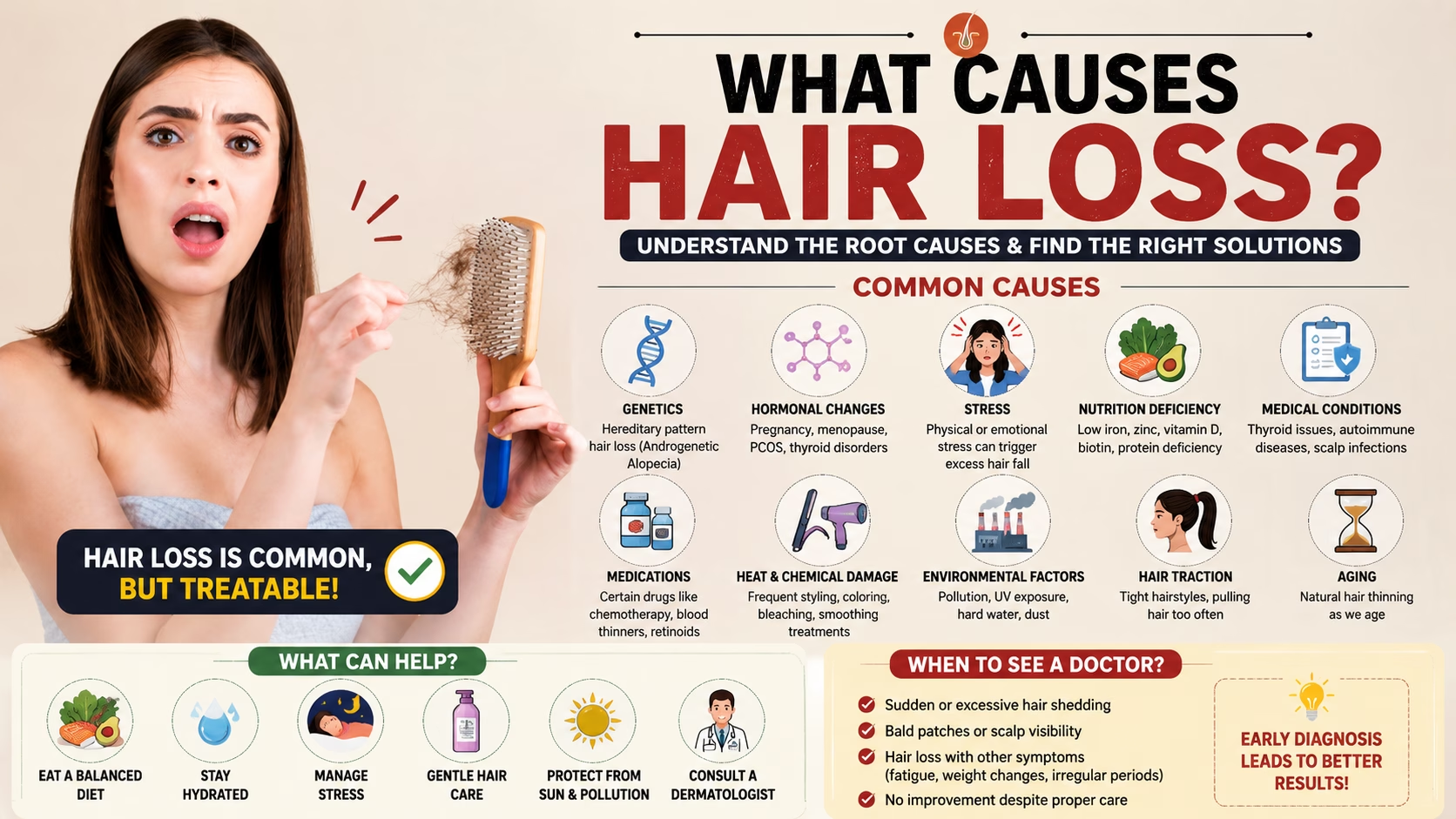
Table of Contents
There are several reason for Hair loss can happen, and the right treatment depends on finding the cause. The most common cause is hereditary hair loss, but stress, rapid weight loss, iron or other nutrient deficiencies, thyroid disease, hormonal changes, scalp conditions, medicines, and hair practices can also play a role. Men often notice a receding hairline or crown thinning, while women more often notice wider parting or diffuse thinning. Early assessment can help slow ongoing loss and protect healthy follicles. Our specialist who have expertise in Hair loss they prepare this documents for persons who suffer from hair loss, hair shedding, alopecia, and many more hair related problems.
Hair Loss in Men and Women
Hair loss can affect men and women; however, the cause of hair loss and the pattern might be different between genders. For men, male pattern hair loss caused by genetics is one of the most common causes for hair thinning, especially on the front of the head and top of the scalp. For women, causes for increased shedding include hormonal imbalance, iron deficiency, thyroid disease, stress, some drugs, and female pattern hair loss.
Hair Loss in Teenagers
There are many possible causes for hair loss in teens, which include stress, nutritional problems, rapid changes in weight, hormonal imbalance, skin conditions of the scalp, drugs, and aggressive styling of hair. In many cases, temporary shedding is likely to get better once the underlying trigger is found. Nevertheless, sudden or severe hair loss in teens should be assessed by a dermatologist.
For instance, hair loss in a 16-year-old teen does not necessarily mean that he or she suffers from male pattern hair loss. There are many other reasons that might cause hair shedding at that age such as genetics, malnutrition, stress, scalp conditions, etc.
Direct Answer: What causes hair loss?
Hair loss is usually caused by one or more of these factors:
- Genetics and hereditary hair loss
- Stress or illness
- Hormonal changes
- Iron, protein, zinc or other nutrient deficiencies
- Thyroid disorders
- Rapid weight loss or crash dieting
- Scalp conditions such as dandruff or infections
- Tight hairstyles and repeated hair damage
- Certain medicines
- Autoimmune conditions such as alopecia areata
- Age-related changes
- Some inflammatory or scarring scalp diseases
The important point is that hair loss is a symptom, not one single disease. Two people can have the same amount of shedding but need very different treatments.
Is It Normal to Lose Hair Every Day?
Yes. Losing some hair each day is normal.
The American Academy of Dermatology notes that people normally lose about 50 to 100 hairs a day as part of the normal hair growth cycle. Seeing some hair on your pillow, comb or shower floor does not automatically mean you have a hair loss disorder.
The concern is more about a change from your normal pattern, such as:
- More hair coming out during washing
- A wider hair part
- A receding hairline
- Thinning at the crown
- A smaller ponytail
- Bald patches
- More scalp becoming visible
- Hair becoming finer over time
The Most Common Cause: Genetic Hair Loss
Hereditary hair loss, also called androgenetic alopecia, is the most common cause of hair loss in both men and women. It happens when genes make hair follicles more sensitive to hormones such as DHT.
Over time, affected follicles become smaller. The hairs they produce become finer and shorter. Without treatment, this process can continue.
In men
Men may first notice:
- Receding temples
- A changing hairline
- Thinning at the crown
- A bald spot on top
- Gradual loss of hair density
Male pattern hair loss often follows a recognisable pattern.
In women
Women often notice:
- A wider centre part
- Thinning over the top of the scalp
- Reduced overall hair volume
- A smaller ponytail
- More visible scalp
The front hairline often stays intact in female pattern hair loss.
What Causes Hair Loss in Men?
Hair loss in men is often linked to genetics, but other causes should not be ignored.
Male Pattern Hair Loss
This is the most common cause. A genetic sensitivity to DHT causes progressive shrinking of certain hair follicles.
It can start in young adulthood and become more noticeable with age.
Hair Loss in Men While Still Young
Male hair loss while still young may be associated with genetics, especially when there is a history of early hair loss in male family members. Hair loss while still young may also be caused by different reasons, such as stress, malnutrition, hormonal changes, skin problems, or use of particular medicines.
Hair loss in a 20-year-old man may also happen at such an early age, especially if there is a predisposition to hereditary hair loss. If hair loss is rapid or if it happens suddenly, there are also other possible causes that need to be considered and not assume that it is genetic.
Stress and Telogen Effluvium
Severe physical or emotional stress can push more hairs into the resting phase.
Hair shedding may appear weeks to months after the trigger, rather than on the same day.
Possible triggers include:
- High fever or illness
- Surgery
- Major emotional stress
- Significant weight loss
- Poor nutrition
- Severe sleep disruption
Stress-related shedding is often temporary when the trigger is addressed.
Nutritional Deficiency
Low levels of nutrients needed for normal hair growth can contribute to shedding.
Possible deficiencies include:
- Iron
- Protein
- Zinc
- Vitamin D
- Vitamin B12
- Folate
However, taking a hair supplement without confirming a deficiency is not a good approach. Too much of some nutrients can also cause problems.
Thyroid Problems
Both an underactive and overactive thyroid can affect the hair cycle.
Thyroid-related hair loss may appear as general thinning rather than one bald patch.
Scalp Disorders
Dandruff, seborrheic dermatitis, psoriasis and scalp infections can cause inflammation, itching and increased shedding.
A scalp infection can cause actual patches of hair loss and needs medical treatment.
What Causes Hair Loss in Women?
Women can develop the same types of hair loss as men, but hormonal and nutritional factors are especially important to consider.
Female Pattern Hair Loss
Female pattern hair loss is a common genetic condition.
The usual sign is gradual thinning over the top of the scalp and a widening centre part.
Early treatment can help slow progression and preserve existing hair.
Pregnancy and After Childbirth
Many women experience increased shedding a few months after giving birth.
This happens because pregnancy changes the normal hair cycle. After delivery, more hairs can enter the shedding phase.
In many cases, the hair becomes fuller again over time.
PCOS and Hormonal Imbalance
Hormonal changes can contribute to hair thinning.
For example, polycystic ovary syndrome (PCOS) can be associated with scalp hair thinning because of hormonal changes.
Women with hair loss may also need assessment for:
- Irregular periods
- Acne
- Increased facial hair
- Sudden scalp thinning
- Other signs of hormonal imbalance
Iron Deficiency
Iron deficiency is an important consideration, especially when hair shedding occurs with:
- Heavy periods
- Fatigue
- Poor diet
- Pregnancy
- Recent childbirth
A dermatologist may recommend blood tests when the history suggests a nutritional deficiency.
Thyroid Disease
Thyroid disorders can cause diffuse thinning and increased shedding.
Treating the thyroid problem may improve the hair loss when thyroid disease is the cause.
Hair Loss Causes: Men vs Women
Cause | Men | Women | Typical Pattern |
Genetic hair loss | Very common | Very common | Hairline/crown in men; top of scalp in women |
Stress | Yes | Yes | Diffuse shedding |
Iron deficiency | Possible | More important to check in some women | Diffuse shedding |
Vitamin or mineral deficiency | Possible | Possible | Diffuse thinning |
Thyroid disease | Yes | Yes | Diffuse thinning |
Hormonal imbalance | Possible | Important cause | Diffuse thinning |
PCOS | No | Yes | Top scalp thinning |
Pregnancy/postpartum | No | Yes | Increased shedding |
Dandruff/scalp inflammation | Yes | Yes | Shedding with scalp symptoms |
Tight hairstyles | Yes | Yes | Traction-related thinning |
Alopecia areata | Yes | Yes | Round or patchy bald areas |
Medicines | Yes | Yes | Depends on medicine |
Rapid weight loss | Yes | Yes | Diffuse shedding |
Scarring alopecia | Yes | Yes | Permanent loss if untreated |
This table is a guide, not a diagnosis. Several causes can occur at the same time.
Hair Loss on the Rear Side of the Head
Hair loss from the rear side of the head will vary from one case to another, and it will depend on where exactly it is occurring and how it looks. If there is thinning in the crown region, it will be related to pattern hair loss, but in the case of a distinct patch, it can be due to something else like alopecia areata.
Can Stress Cause Hair Loss?
Yes. Stress can cause temporary hair shedding.
One common form is telogen effluvium. A physical or emotional stressor can push more hairs into the resting phase. The increased shedding may become noticeable later.
Common triggers include:
- Severe illness
- Surgery
- High fever
- Major emotional stress
- Sudden weight loss
- Crash dieting
- Major changes in sleep
- Childbirth
Stress can also worsen existing hair conditions.
Can stress cause permanent baldness?
Usually, stress-related telogen effluvium does not destroy the hair follicle.
However, stress can happen at the same time as another hair disorder. Persistent thinning should therefore not automatically be blamed on stress.
Which Vitamin Deficiency Causes Hair Loss?
Several nutritional deficiencies can contribute to hair shedding.
Authentic Source: Which Vitamin Deficiency Cause Hair Loss? Expert Explain
The most important ones to consider include:
Iron deficiency
Low iron can be associated with hair loss, particularly when there are other signs of iron deficiency.
Vitamin D deficiency
Low vitamin D has been studied in several hair disorders, but low vitamin D does not prove that it is the cause of someone’s hair loss.
Vitamin B12 deficiency
Severe B12 deficiency can affect many body systems and may be considered when investigating unexplained hair loss.
Zinc deficiency
Zinc is needed for normal cell growth and tissue repair. Severe deficiency can cause hair loss.
Protein deficiency
Hair is largely made of keratin, a protein. Very low protein intake can affect hair growth.
Biotin deficiency
True biotin deficiency is uncommon. Taking high-dose biotin without a confirmed deficiency is not a reliable way to treat ordinary hair loss.
The AAD advises checking whether you actually have a nutrient deficiency before taking supplements for hair growth.
What Deficiency Causes Hair Loss the Most?
There is no single deficiency that causes the most hair loss in every person.
Iron deficiency is an important cause to investigate in suitable patients, but hair loss can also come from genetics, thyroid disease, stress, hormonal changes, illness and other conditions.
That is why a dermatologist may use your history, scalp examination and selected blood tests rather than ordering every possible test for every patient.
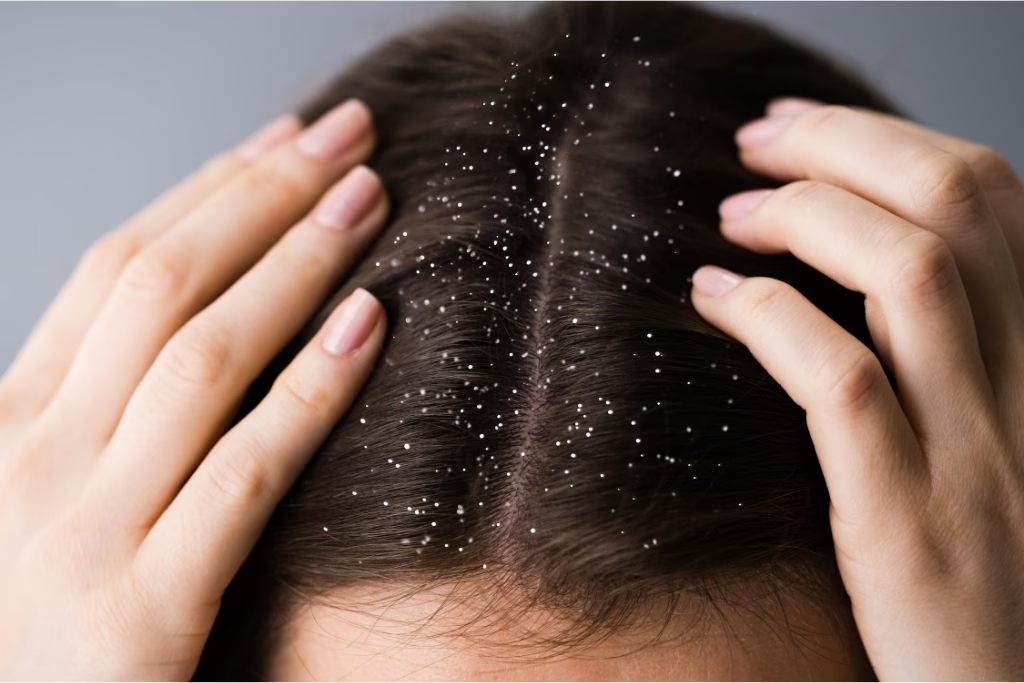
Can Dandruff Cause Hair Loss?
Dandruff itself does not usually destroy hair follicles or cause permanent baldness.
However, severe dandruff or seborrheic dermatitis can cause:
- Scalp inflammation
- Itching
- Scratching
- Hair breakage
- Temporary increased shedding
Dandruff is a common scalp condition and can often be managed with appropriate treatment. Dermatologists may recommend anti-dandruff shampoos containing ingredients such as ketoconazole, selenium sulfide, salicylic acid or zinc pyrithione, depending on the condition.
Does dandruff cause permanent hair loss?
Usually no.
But if the diagnosis is wrong and the patient actually has a scalp infection, psoriasis or an inflammatory/scarring condition, delaying treatment of dandruff can cause more serious hair loss.
Does Creatine Cause Hair Loss?
Current evidence does not prove that creatine causes hair loss.
The concern mainly came from research that looked at changes in DHT rather than directly proving hair loss. A newer 12-week randomised controlled trial also found no significant difference in hair-related measures between creatine and placebo groups.
If someone starts losing hair while taking creatine, it is important to consider other causes, especially:
- Genetic hair loss
- Stress
- Poor nutrition
- Rapid weight loss
- Illness
- Hormonal changes
- Existing androgenetic alopecia
So, hair loss during creatine use does not automatically mean creatine caused it.
Does Mounjaro Cause Hair Loss?
Hair loss has been reported with Mounjaro/tirzepatide, but the relationship needs context.
The current prescribing information for tirzepatide reports hair loss as an adverse reaction and states that the hair loss was associated with weight reduction in the clinical trial data.
Rapid or significant weight loss itself can trigger telogen effluvium, which may explain some cases.
Recent research also suggests an association between GLP-1 receptor agonists and hair loss, but the exact cause is still being studied.
If hair shedding starts after beginning a weight-loss injections in dubai, do not stop the medicine without speaking with the prescribing doctor. A dermatologist can check whether the shedding fits telogen effluvium or another type of alopecia.
Can Smoking Cause Hair Loss?
Smoking is not usually the only explanation for hair loss, but it can be harmful to hair and overall health.
The AAD advises people who smoke to stop because smoking causes inflammation and can worsen hair loss.
If you smoke and notice thinning, it is better to look for the full cause rather than assume smoking is the only factor.
Can Masturbation Cause Hair Loss?
There is no good medical evidence that masturbation causes hair loss.
Hair loss is mainly linked to genetics, hormones, scalp disease, nutritional problems, stress, illness, medicines and other recognised causes.
Masturbation does not cause androgenetic alopecia.
Causes of hair loss in an 18-year-old can be various, including hereditary hair loss, stress, poor nutrition, or hair loss disease. Should there be hair loss for a couple of months, when it is visible on your hairline or crown, or patchy hair loss, then it is best to consult a professional.
Which Hormone Causes Hair Loss in Females?
There is not one hormone responsible for all female hair loss.
Androgens, including testosterone and DHT, can play a role in female pattern hair loss in genetically sensitive follicles.
Other hormonal changes can also affect hair growth, including changes linked to:
- PCOS
- Pregnancy
- Postpartum changes
- Menopause
- Thyroid disease
- Changes in hormonal medicines
The pattern of hair loss and the patient’s other symptoms help the dermatologist decide whether hormone testing is needed.
How to Stop Hair Loss?
The best way to stop hair loss is to treat cause of hair loss.
There is no single shampoo, vitamin or treatment that works for every type of alopecia.
Step 1: Find the cause
A dermatologist may review:
- Family history
- Diet
- Recent illness
- Weight changes
- Stress
- Medicines
- Hormonal symptoms
- Scalp symptoms
- Hair-care practices
Must visit a Hair loss specialist for prevent hair shedding and loss for better outcome.
Step 2: Examine the scalp
A scalp examination can show whether the problem looks like:
- Pattern hair loss
- Telogen effluvium
- Alopecia areata
- Scalp inflammation
- Infection
- Scarring alopecia
Step 3: Use tests when needed
Blood tests may be recommended when your history or examination suggests a nutritional, thyroid, hormonal or other medical cause.
Common tests may include:
- CBC
- Ferritin and iron studies
- Vitamin D
- Vitamin B12
- Thyroid tests
- Other tests when clinically indicated
Do not assume that every person with hair loss needs every blood test.
Step 4: Start treatment early
For hereditary hair loss, early treatment matters because shrinking follicles become harder to restore as the condition progresses.
Depending on the diagnosis, treatment may include medical therapy, scalp treatment, nutritional correction, hair growth procedures or a combination of approaches.
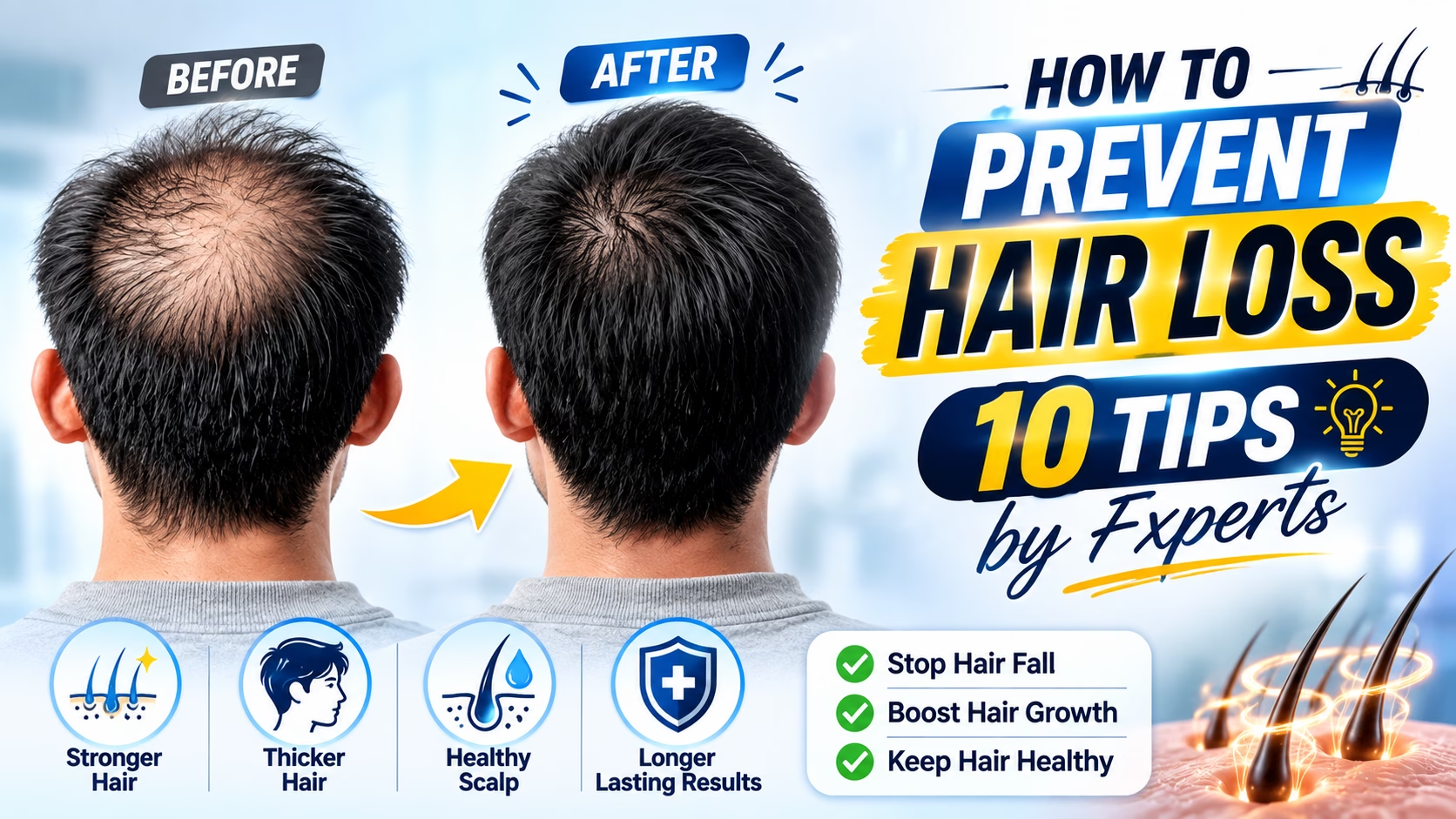
How to Prevent Hair Loss?
Not every type of hair loss can be prevented. Genetic hair loss, for example, cannot simply be prevented through diet or shampoo.
But you can reduce avoidable hair damage.
Protect your hair by:
- Eating enough protein
- Correcting confirmed nutrient deficiencies
- Avoiding crash diets
- Treating dandruff and scalp inflammation
- Avoiding tight hairstyles
- Limiting repeated bleaching and chemical treatments
- Reducing excessive heat styling
- Brushing gently
- Avoiding unnecessary supplements
- Managing stress
- Getting adequate sleep
- Seeing a dermatologist when thinning continues
The AAD also recommends gentle hair care and avoiding hairstyles that repeatedly pull on the scalp because traction can eventually cause permanent hair loss.
How to Prevent Hair Loss in Dubai?
Living in Dubai does not automatically cause hair loss, but the local lifestyle can affect scalp and hair care.
People living in Dubai and the UAE may spend time in:
- Strong sunlight
- High heat
- Air-conditioned environments
- Swimming pools
- Frequent outdoor activities
If your scalp is thinning, protect exposed scalp skin from the sun with suitable clothing or sunscreen. The AAD also recommends scalp sun protection for people with thinning hair.
More importantly, do not blame the climate for ongoing hair loss without checking other causes such as genetics, nutritional deficiency, stress, thyroid disease or scalp disorders.
When Should You See a Doctor for Hair Loss?
See a certified specialist if you notice:
- Sudden heavy shedding
- A bald patch
- Rapid thinning
- A receding hairline
- A widening part
- Scalp pain
- Scalp redness
- Severe itching
- Scaling or crusting
- Eyebrow or eyelash loss
- Hair loss after starting a medicine
- Hair loss that keeps getting worse
Do not wait for severe baldness before getting an assessment.
Early diagnosis is especially important when the condition can damage or permanently destroy hair follicles.
What Happens During a Hair Loss Consultation?
At Glow Aesthetics Dermatology Clinic, the assessment should begin with finding the cause rather than choosing a treatment first.
A dermatologist may review your:
- Medical history
- Family history
- Hair-care routine
- Diet and recent weight changes
- Medicines and supplements
- Scalp condition
- Hair-loss pattern
The scalp may then be examined with trichoscopy, which allows the doctor to assess the scalp and hair follicles in greater detail.
Blood tests can be added when the clinical history suggests a nutritional, thyroid, hormonal or other medical cause.
This matters because PRP for hair fall, growth-factor treatments, exosomes for hair loss, medicines and other hair treatments are not interchangeable solutions for every type of hair loss. The diagnosis should guide the treatment.
Fact Check: Common Hair Loss Questions
Search question | Medical answer |
What causes hair loss? | Genetics is the most common cause, but stress, illness, hormones, nutritional problems, scalp disease, medicines and hair practices can also cause it. |
Does creatine cause hair loss? | Current evidence does not prove that creatine causes hair loss. |
Which vitamin deficiency causes hair loss? | Iron and some nutrient deficiencies can contribute, but there is no single vitamin deficiency responsible for all hair loss. |
How to stop hair loss? | Find and treat the cause early. Treatment differs between genetic hair loss, telogen effluvium, alopecia areata, nutritional deficiency and scalp disease. |
Can dandruff cause hair loss? | Severe dandruff or scalp inflammation can increase temporary shedding, but ordinary dandruff usually does not permanently destroy follicles. |
How to prevent hair loss? | Eat enough protein, avoid crash diets and damaging hairstyles, treat scalp problems and seek early medical assessment when thinning starts. |
Does vitamin D deficiency cause hair loss? | Low vitamin D has been associated with some hair disorders, but low vitamin D alone does not prove it is the cause. |
How to stop hair loss and regrow hair naturally? | Correcting a real deficiency, eating enough protein and treating scalp problems can help when those are the causes. Genetic hair loss often needs medical treatment. |
Does Mounjaro cause hair loss? | Hair loss is reported with tirzepatide and was associated with weight reduction in clinical trials. Rapid weight loss may trigger telogen effluvium. |
Does stress cause hair loss? | Yes. Significant physical or emotional stress can trigger telogen effluvium. |
Which doctor to consult for hair loss? | A dermatologist is the appropriate specialist for diagnosing most hair and scalp disorders. |
Can stress cause hair loss? | Yes. Stress can trigger temporary shedding in some people. |
How to prevent hair loss in Dubai? | Protect exposed scalp from strong sun, maintain good nutrition and scalp care, and investigate medical causes instead of blaming the climate alone. |
Does iron deficiency cause hair loss? | Yes, iron deficiency can contribute to hair shedding, especially in people at risk of deficiency. |
What deficiency causes hair loss? | Iron, protein, zinc and some vitamin deficiencies can contribute, depending on the person. |
Does smoking cause hair loss? | Smoking may worsen hair loss and is harmful to overall health. |
Can masturbation cause hair loss? | There is no good medical evidence that masturbation causes hair loss. |
Which hormone causes hair loss in females? | Androgens can contribute to female pattern hair loss, but female hair loss has many possible hormonal and non-hormonal causes. |
How to control genetic hair loss? | Early diagnosis and evidence-based treatment can slow progression and help preserve hair. |
The Bottom Line: What Really Causes Hair Loss?
There is rarely one answer to “what causes hair loss?”
For one person, the cause may be genetics. For another, it may be temporary shedding after illness or stress. Someone else may have iron deficiency, thyroid disease, hormonal changes, scalp inflammation or medication-related shedding.
The most useful step is therefore not guessing the cause from the internet or starting random hair supplements. It is identifying the type of hair loss first.
At Glow Aesthetics Dermatology Clinic, dermatologists can assess the hair and scalp, look for medical causes and decide whether further testing or treatment is needed. This approach helps match the treatment to the actual hair-loss disorder rather than treating every patient in the same way.
Key takeaway
If your hair is becoming thinner, falling in patches, or shedding much more than usual, find the cause early. Early diagnosis gives you more options for protecting existing hair.
Medically Reviewed Skincare Advice
 12+ Years Experience
5,000+ Patients Treated
Dermatology & Aesthetic Skin Therapist
 12+ Years Experience
Get Free Consultation Now!
+971 - 56 548 7001