Peptides for Weight Loss: Injections, Benefits, Risks & Best Options

Table of Contents
There are many types of peptides that may help to lose weight. For example, there are some peptide medications like Semaglutide and Tirzepatide which were proven to have good clinical effect when used in treatment of obesity and help those people who are eligible to lose weight. Peptide medications reduce appetite and food consumption via hormonal mechanisms, and not just “burn” fat. It is important to note that not all medicines sold as “weight loss peptides” on the Internet are clinically approved and safe to use. Each person needs different medication depending on his health, BMI, medical history, current medications and treatment goals. In the UAE such medicines need to be used under qualified medical supervision.
Quick Answer: What Are Peptides for Weight Loss?
Peptides are short chains of amino acids that may serve as hormones or hormone-like substances. There are some prescription drugs for weight management that are based on peptides.
The most well-known examples include:
- Semaglutide – GLP-1 receptor agonist
- Liraglutide – GLP-1 receptor agonist
- Tirzepatide – GIP/GLP-1 receptor agonist
Such medications reduce appetite, increase satiety and decrease food consumption.
Key Points
- “Peptide for weight loss” is an umbrella term that does not refer to any particular drug.
- Semaglutide and tirzepatide are prescribed peptide drugs which have been shown clinically effective for weight loss.
- Tirzepatide acts through GIP and GLP-1 receptors, whereas semaglutide acts through GLP-1 receptors.
- Mounjaro is tirzepatide, and Ozempic is semaglutide. The brand names Mounjaro and Ozempic relate mostly to type 2 diabetes indications in the USA, but Zepbound and Wegovy are weight management-related brands.
- There is no one universal “best peptide” for all.
- Clinical trials have proved high efficiency of semaglutide and tirzepatide in terms of weight loss among eligible patients.
- Weight loss drugs cannot substitute a healthy diet and physical activities.
- Nausea, vomiting, diarrhea, and constipation are frequent adverse effects.
- Fast weight loss may cause changes in hair, skin, and face volume.
- Illegal or poorly produced peptide injections might be associated with additional risks.
- GLP-1-based weight-loss drugs should not be taken by pregnant women.
- A medical consultation is required before prescribing the medicine.
What Are Peptides?
Peptide refers to a chain of amino acids that is shorter than proteins.
Amino acids are the basic components of proteins and there are some peptides that act as signals in the body.
Some of the hormones in the body are made up of peptides and peptide-like substances including:
- Insulin
- Glucagon
- GLP-1
- GIP
These signals are responsible for regulating the processes of:
- Blood sugar level
- Appetite
- Digestive system
- Energy
- Secretion of hormones
That explains why some drugs targeting these processes can influence body weight.
Key difference
However, not all peptides can affect body weight.
“Weight loss peptide” is a common name for various compounds found in nature and manufactured. Some of them have been extensively studied while others are still being tested.
That difference is important to know.
Peptides for Weight Loss: What Is Their Purpose?
When people ask about peptides for weight loss, they are usually talking about medications that mimic or alter natural gut hormones related to appetite and metabolism.
The medications that are currently the most well-established prescription medicines are:
| Medicine | Main pathway | Weight-management role |
|---|---|---|
| Semaglutide | GLP-1 receptor | Established |
| Liraglutide | GLP-1 receptor | Established |
| Tirzepatide | GIP + GLP-1 receptors | Established |
| Retatrutide | GIP + GLP-1 + glucagon receptors | Investigational |
| Cagrilintide | Amylin pathway | Investigational as a standalone weight-loss treatment |
The first three medications have an established clinical purpose in treating obesity among applicable groups of patients. The two others cannot be used as established treatments for weight loss in Dubai outside of their indicated uses or within the scope of the clinical trials.
How Can Peptide Injections Help me to Lose Weight?
Weight-loss medications based on peptides will not make your body fat just melt away.
Their primary effect is in relation to appetite and eating.
GLP-1 Pathway
GLP-1 receptor agonists mimic the physiological hormone glucagon-like peptide-1.
These include:
- Increasing the feeling of satiety
- Reducing appetite
- Decreasing food consumption
- Delaying gastric emptying
- Regulating blood glucose levels
This makes it possible for some individuals to achieve a caloric deficit.
According to WHO, GLP-1 therapies work by controlling appetite, blood glucose levels, and slowing down digestion, making one feel fuller.
How Tirzepatide Differs from Other GLP-1 Receptor Agonists
Tirzepatide works by activating two hormone receptors:
- GIP – glucose-dependent insulinotropic polypeptide
- GLP-1 – glucagon-like peptide-1
This is one of the reasons why tirzepatide is effective in causing weight loss.
It is crucial to use the right terms:
Tirzepatide should not be referred to as GLP-1 drug because it is a dual GIP/GLP-1 receptor agonist.
Semaglutide for Weight Loss
Semaglutide is a GLP-1 receptor agonist.
It is offered under various brand names for different medical indications.
For instance:
- Wegovy – weight management
- Ozempic – type 2 diabetes indication in the US
- Rybelsus – oral semaglutide for type 2 diabetes in the US
Indication and approved formulation may differ by country.
That is why one cannot consider all semaglutide medications to be equal.
Emirates Drug Establishment of UAE has also approved an oral Wegovy formulation for long-term weight management in eligible adults.
Tirzepatide for Weight Loss
Tirzepatide is a dual GIP/GLP-1 receptor agonist.
Weight management brand name in the US is Zepbound.
This active ingredient is also marketed as Mounjaro in the US for type 2 diabetes.
Tirzepatide suppresses appetite and decreases food intake due to GIP and GLP-1 signaling pathways.
There is solid evidence of efficacy in clinical trials for weight management.
Systematic review and meta-analysis of seven randomized controlled trials of 5,140 patients in 2024 showed significant placebo-subtracted weight loss effect of semaglutide and tirzepatide.
Is Mounjaro a Peptide?
Yes. Mounjaro contains the peptide-based medicine tirzepatide.
But saying “Mounjaro is a peptide” is less accurate than saying:
Mounjaro contains the peptide-based medicine tirzepatide, a dual GIP/GLP-1 receptor agonist.
It works by acting on hormone pathways, regulating appetite, food intake, and glucose metabolism.
Is Ozempic a Peptide?
Yes. Ozempic contains the peptide-based medicine semaglutide.
Semaglutide is a modified version of human GLP-1 that remains biologically active for a much longer period of time.
It is again necessary to focus on the active substance and indications rather than on the word “peptide.”
Peptide vs Mounjaro: What Is the Difference?
Such a comparison may seem ambiguous because Mounjaro contains the peptide-based medicine itself.
| Term | What it means |
|---|---|
| Peptide | A broad class of molecules |
| Peptide for weight loss | General term used for peptide-based medicines |
| Mounjaro | Brand containing tirzepatide |
| Tirzepatide | Active ingredient in Mounjaro and Zepbound |
| Ozempic | Brand containing semaglutide |
| Semaglutide | GLP-1 receptor agonist |
| Wegovy | Weight-management brand containing semaglutide |
| Zepbound | Weight-management brand containing tirzepatide |
Therefore, “peptide vs Mounjaro” is not a proper drug-to-drug comparison.
Mounjaro contains the peptide-based medicine.
Mounjaro vs Peptides
A more useful comparison is:
Tirzepatide vs other peptide-based weight-loss medicines.
| Feature | Semaglutide | Tirzepatide |
|---|---|---|
| Main pathway | GLP-1 | GIP + GLP-1 |
| Common weight-management brand | Wegovy | Zepbound |
| Weekly injection | Yes | Yes |
| Appetite reduction | Yes | Yes |
| Fullness | Increased | Increased |
| Strong clinical evidence | Yes | Yes |
| Diabetes brand | Ozempic | Mounjaro |
| Weight-management evidence | Strong | Strong |
Most head-to-head evidence demonstrates a higher average reduction in body weight using tirzepatide compared to semaglutide, yet the magnitude of this difference is not consistent among different studies.
Does this make tirzepatide the “best” peptide?
No. It depends on:
- Medical history
- BMI
- Presence or absence of diabetes
- Blood pressure
- Other drugs
- Ability to tolerate side effects
- Purpose of therapy
- Plans for pregnancy
- Prior weight loss treatment
- Cost and accessibility
- Approval in local area
Which Peptides Have the Most Proven Efficacy?
1. Tirzepatide – Proven Efficacy
There is proven efficacy of tirzepatide for weight management based on randomized trials.
There was a systematic review of randomized trials with significant reductions in body weight and waist circumference observed with tirzepatide.
2. Semaglutide – Proven Efficacy
Semaglutide also demonstrates proven efficacy for weight management based on randomized trials.
This drug belongs to the most extensively studied anti-obesity medicines of modern times.
3. Liraglutide – Proven Efficacy
Liraglutide is another GLP-1 agonist which has proven efficacy in weight management.
It needs to be administered on a daily basis rather than on a weekly basis.
4. Retatrutide — Investigational
Retatrutide acts on:
- GIP
- GLP-1
- Glucagon
It has been found to deliver promising outcomes through clinical studies, however, it should not be considered an established routine weight-loss injection drug until it is approved as such in the respective region.
5. Other Online “Peptides” — Evidence May Vary
Drugs marketed online as:
- Fat-loss peptides
- Slimming peptides
- Metabolic peptides
- Research peptides
- Peptide stacks
might not carry the same weight of evidence or approval.
Which Injectable Peptide is the Best for Weight Loss?
There is no single best peptide to use for weight loss.
For appropriate candidates, semaglutide and tirzepatide are considered some of the best peptide drugs currently supported by evidence.
Although tirzepatide has generally demonstrated higher average weight losses compared to semaglutide, this does not mean it should be chosen for everyone.
Our clinician has to evaluate the patient’s overall medical history.
How Much Weight Can Peptide Injections Help You to Lose?
It depends on medicine, dosage, treatment period, compliance with treatment, diet, exercise and individual differences.
According to the systematic review, placebo-corrected weight loss in randomized trials was approximately:
- Semaglutide: 12.9%
- Tirzepatide: 19.2%
These numbers reflect study averages, and not individual patient outcomes.
NIDDK states that weight management medications can be effective only in combination with lifestyle changes.
Important
If clinic such guarantees:
- “Lose 20 kg guaranteed”
- “Lose 10 kg in one month”
- “Without diet”
- “No side effects”
- “Permanent weight loss after treatment stops”
This list includes non-medical promises.
How Long Does It Take for Peptide Injections to Work?
Usually, people don’t have the full effect right away.
The initial therapy involves the lowest dose, and when necessary, the dosage is increased gradually.
It allows the body to adapt and minimize possible side effects on the digestive system.
The changes in appetite, portion size, feeling of fullness and weight can appear during first weeks and months.
The greatest results are achieved in the case of prolonged treatment.
Do Peptide Injections Cause Fat Burning?
This requires clarification.
They can lead to a significant decrease in body fat, but the effect does not work like an injection for burning fat directly.
The key point here is the suppression of energy intake due to appetite and satiety mechanisms.
As energy input goes down for the organism, it starts burning stored energy, which can be fat deposits.
Thus:
Peptide medication -> lowered appetite/food consumption -> calorie deficit -> weight loss and fat loss.
The amount of lean mass being lost when losing weight may differ. The right amount of proteins and some form of resistance training can support muscles in weight loss period.
Peptide Fat Loss vs Weight Loss
Both concepts can be frequently used as something different.
Weight loss
Is defined as a decrease in overall body weight.
It includes:
- Fat
- Muscles
- Water
- Other tissues
Fat loss
Is a decrease in body fat.
When it comes to medically supervised weight management program, the target is not merely to have a low number on the scale.
The target is:
To reduce excessive body fat and maintain muscle mass and metabolism.
Who Might Benefit from Peptide-Based Weight Loss Treatment?
Depends on the drug used and local prescribing guidelines.
In adults, the general criteria for the prescription-based weight loss medicine use are:
- BMI equal or higher than 30 or
- BMI equal or higher than 27 with presence of weight-associated condition
These commonly used criteria for weight management medicine prescription in adults are provided by NIDDK.
Conditions associated with weight might include:
- Type 2 diabetes
- Hypertension
- Dyslipidemia
- Obstructive sleep apnea
- Others obesity-related conditions
GLP-1 drugs are conditionally recommended for adults with obesity by WHO as the part of comprehensive care.
Who Should Not Use the Peptide Weight Loss Medication Without Medical Consultation?
Medical consultation is necessary in case of:
- Pregnancy and intention of pregnancy
- Lactation
- Pancreatitis in history
- Severe gastrointestinal pathology
- Presence of gallbladder disease
- Severe renal insufficiency
- Some types of endocrine diseases
- History of medullary thyroid carcinoma
- Multiple endocrine neoplasia type 2
- History of severe allergic reactions to drugs
Depending on particular medication, there might be other contraindications and warnings.
Never use someone else’s injection or purchase peptides online without prior medical consultation.
Common Adverse Reactions
Among the most frequent adverse reactions associated with GLP-1 and its derivatives are those affecting the digestive system.
This may include:
- Nausea
- Vomiting
- Diarrhoea
- Constipation
- Abdominal pain
- Decreased appetite
According to WHO, some common adverse reactions to GLP-1 drugs are nausea, vomiting, constipation, and diarrhea.
Most adverse reactions become apparent in the initial stages of treatment or with increased dosing.
Less Frequent but Significant Adverse Reactions
Some patients may experience significant adverse reactions.
These may be:
- Gallbladder disorders
- Pancreatitis
- Dehydration
- Severe gastrointestinal symptoms
- Kidney complications related to dehydration
- Allergic reactions
The adverse reaction profile varies across drugs and patients.
In case of development of any of the above conditions, it is recommended to consult your doctor.
Could Peptides Make You Lose Hair?
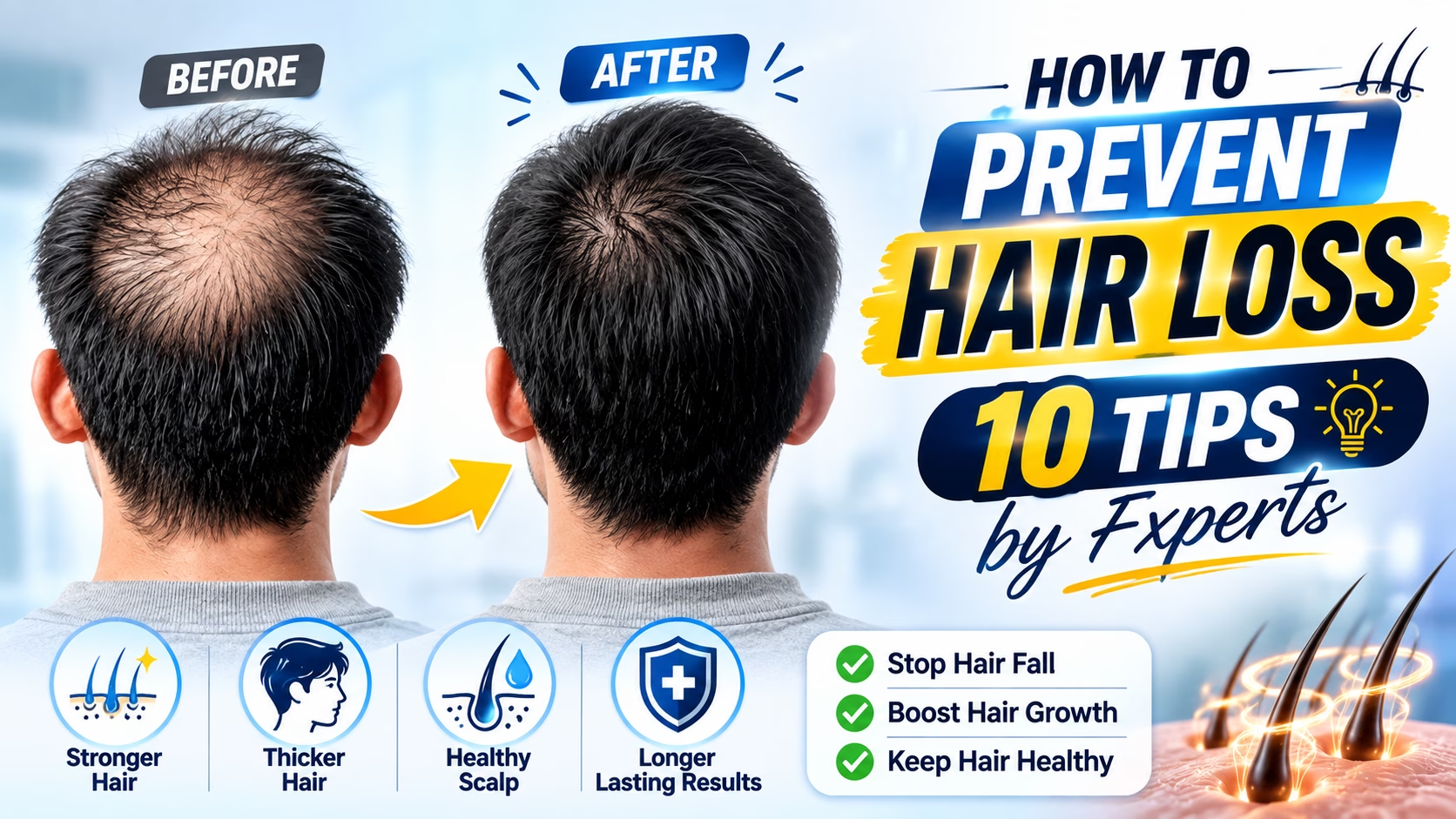
Hair loss could happen due to excessive or quick weight loss.
According to the American Academy of Dermatology, some individuals who take GLP-1 drugs might suffer from hair thinning. The condition could possibly be caused by telogen effluvium, which refers to temporary hair loss that occurs due to stress or any major event in life. Also, reduced food consumption could lead to decreased nutrients and hair loss.
This doesn’t mean that all individuals using a GLP-1 drug will lose their hair.
However, if an individual experiences hair loss, a dermatologist could find another cause such as:
- Iron deficiency
- Thyroid disease
- Vitamin D deficiency
- Protein deficiency
- Pattern hair loss in females and males
Can Peptide Weight Loss Change How You Look In Your Face?
Yes. Excessive and quick weight loss could decrease the amount of fat on your face.
This could lead to noticeable:
- Less facial volume
- Lines appearing on your face
- Sagging skin
- Hollow cheeks
- Tired face
The media refers to this as “Ozempic face.”
Although the name is somewhat misleading, similar results can happen due to excessive weight loss through different ways.
The AAD states that facial volume loss after losing weight might involve loss of facial fat and changes in skin appearance.
How to Safeguard Your Skin and Hair While Losing Weight
In case you are losing weight using an oral prescription peptide drug:
Consume Adequate Amounts of Proteins
Protein helps maintain your muscles and promotes healthy hair growth.
Do Not Over-restrict Calories
Low-calorie dieting can make you more vulnerable to nutrient deficiency and hair loss.
Have Sufficient Fluids
Sometimes lack of appetite might limit your fluid intake.
Use Sun Protection Products
Skin is not shielded from UV rays because of weight loss.
Apply sunscreen that is SPF 30 or above.
Track Hair Loss
If your hair keeps on falling out for several months, consult a dermatologist since there can be other causes too.
The AAD encourages collaboration with a dermatologist whenever GLP-1 associated problems of skin and hair occur.
Do you need diet and exercise with peptide injections?
Yes.
Do not use peptides to avoid healthy eating and exercise.
According to NIDDK, weight-loss medications are most effective when used along with behavioral therapy.
According to WHO, GLP-1 therapies should be used along with healthy eating, physical activity and professional help.
A proper regimen includes:
- Protein intake at every meal
- Vegetables and fruit
- High-fiber products
- Proper portion sizes
- Water instead of sweet beverages
- Resistance training
- Walking and aerobic exercises on regular basis
- Adequate sleep
Why is Muscle Preservation Important?
A goal of weight management treatment should be:
“Lose as much weight as you can.”
A goal of weight management treatment should be:
Lose excess fat, preserve muscle and improve your health.
Resistance training and protein intake can help maintain muscle mass while losing weight.
Consulting a doctor or a nutritionist can help you create proper protein and exercise regimen.
Peptide Injections vs Lifestyle-Only Weight Loss
| Feature | Lifestyle program | Prescription peptide medicine + lifestyle |
|---|---|---|
| Diet changes | Yes | Yes |
| Exercise | Yes | Yes |
| Medical monitoring | May be needed | Important |
| Appetite effect | Variable | Often stronger |
| Medication side effects | No drug-related effects | Possible |
| Long-term use | Usually ongoing habits | May require long-term treatment |
| Weight regain after stopping medicine | Not applicable | Possible |
Obesity may be a chronic disorder. Some individuals require ongoing treatment to maintain their weight loss.
According to NIDDK, weight regaining may occur when the use of weight-management medications is discontinued.
What Happens When Treatment Is Stopped?
Treatment discontinuation doesn’t mean that weight is going to stay off.
Weight regain occurs in some cases after losing some weight.
It is important to understand that this isn’t the lack of willpower.
Obesity affects biological systems involved in:
- Appetite
- Energy homeostasis
- Hunger
- Satiety
- Metabolism
WHO states that obesity is a chronic disease that requires ongoing treatment, and according to NIDDK, weight regain may happen after the use of weight-management medicines is discontinued.
Our doctor should make an informed decision about the continuation, changes, or termination of treatment.
Compounded Peptide Injections: Are They Safe?
One of the most critical questions related to the safety issue.
Online retailers may advertise the following compounds:
- Compounded semaglutide
- Compounded tirzepatide
- “Research peptides”
- Peptide mixtures
- Custom peptide injections
They shouldn’t be considered as being equal to approved medications.
According to the FDA, unapproved GLP-1 products don’t undergo the same premarket approval process as approved drugs.
FDA has also highlighted dosing mistakes associated with compounded semaglutide, such as when patients were administered higher than intended doses that led to adverse effects and needed medical assistance or hospitalization.
Do not buy peptide injections just due to the following:
- Social media posts
- Before-and-after pictures
- “Research use only” websites
- Influencers’ recommendation
- Very cheap price
- Fast fat burn promise
- Doubtful online pharmacies
What about Retatrutide and Other Next-Generation Peptides?
There has been quite a lot of buzz around retatrutide, which impacts the following pathways:
- GLP
- GLP-1
- Glucagon
Pre-clinical trials look encouraging, but just being investigational doesn’t mean the drug is approved.
It is also true of lots of next-generation peptides marketed online.
Treatment needs to be classified as follows:
Approved treatment
Authorized by regulatory agencies for certain indications.
Investigational treatment
Undergoing clinical trials.
Unapproved product
Not authorized by regulatory agencies for any uses.
It is very important for the patients’ safety.
Comparison of Evidence: Peptides for Weight Loss
| Treatment | Mechanism | Evidence for Weight Loss | Regulatory Status* |
|---|---|---|---|
| Tirzepatide | GIP + GLP-1 | Strong | Approved for relevant indications |
| Semaglutide | GLP-1 | Strong | Approved for relevant indications |
| Liraglutide | GLP-1 | Strong | Approved for relevant indications |
| Retatrutide | GIP + GLP-1 + glucagon | Promising / investigational | Not established as routine treatment |
| Cagrilintide | Amylin pathway | Investigational | Not established as routine treatment |
| Online “fat-loss peptides” | Varies | Often insufficient | Varies; may be unapproved |
*The regulatory status varies from country to country and for each indication. Always check the current approval and prescribing information in the UAE.
Which Has the Stronger Evidence: Semaglutide or Tirzepatide?
Both have very strong evidence.
However, currently available comparative evidence seems to favor tirzepatide in terms of average weight reduction.
In particular, a 2026 systematic review and meta-analysis of 12 studies reported greater average weight reduction when compared between semaglutide and tirzepatide. The study also emphasized high heterogeneity (i.e., different study results).
Another 2025 meta-analysis revealed greater weight reduction associated with tirzepatide. Nonetheless, further head-to-head research is needed in the long term.
Clinical conclusion
While tirzepatide might lead to a greater average weight loss, “more weight loss” does not necessarily imply “a better drug” in every case.
How Does WHO View GLP-1 Weight Loss Medications?
In December 2025, WHO released its first global guideline for GLP-1 medications used to treat obesity.
The organization conditionally recommended the use of GLP-1 agents as a long-term treatment option for people with obesity. It highlighted the necessity of their use within a comprehensive treatment regimen including healthy nutrition, physical exercise, and professional support.
WHO also highlights the need for regulated supply because global demand has increased the risk of falsified and substandard products.
Evidence on “Peptide Therapy”
The concept of “peptide therapy” is too general to be of any practical medical value.
A professional evaluation would establish the following aspects:
- Active ingredient
- Approved indication
- Dose
- Formulation
- Source of medication
- Medical history of a patient
- Benefits
- Risks
If a center is unable to provide these details, one would better be careful.
Myths vs Facts
| Myth | Fact |
|---|---|
| All peptides cause weight loss. | No. Peptides are a broad group of molecules. |
| Every peptide sold online is safe. | No. Some products are unapproved or poorly regulated. |
| Mounjaro is not a peptide. | Mounjaro contains tirzepatide, a peptide-based dual GIP/GLP-1 medicine. |
| Ozempic is a peptide. | Ozempic contains semaglutide, a peptide-based GLP-1 receptor agonist. |
| Peptide injections directly burn fat. | Their main action is through appetite, satiety and metabolic pathways. |
| Tirzepatide is always the best option. | It may produce greater average weight loss, but treatment must be individualized. |
| Peptide injections replace diet and exercise. | They work best as part of a comprehensive weight-management plan. |
| More medicine means faster weight loss. | Increasing doses too quickly can increase adverse effects. |
| You can safely buy peptide injections online. | Unapproved products may have quality, dosing and safety problems. |
| Weight loss stays off after stopping medication. | Some weight regain is common after discontinuation. |
| Peptides are only for people with diabetes. | Some peptide-based medicines are approved for chronic weight management in eligible people without diabetes. |
| Rapid weight loss has no effect on skin or hair. | Significant weight loss can contribute to hair shedding and facial or skin changes. |
Peptide Medication for Weight Loss in Females
There may be other reasons why females have difficulties with weight management, including:
- PCOS
- Insulin resistance
- Menopause
- Thyroid disorder
- Fertility treatment plans
- Postpartum weight
Peptide medicine cannot be taken solely because a female wants to lose weight.
First, the physician must identify the reasons for weight gain.
Pregnancy concerns
GLP-1 medicines designed for weight loss cannot be used by women who are pregnant.
Those women who are planning pregnancy should consult their doctor regarding the medication before taking it.
Peptide Weight Loss in Dubai and Sharjah
Instead of asking “Where can I get a peptide?” the important question should be:
“Which treatment, according to the regulations, is right for me and will be supervised by my physician?”
In the UAE, Glow Aesthetics Dermatology Clinic probably have medications that are available, but it can vary, please check once. The Emirates Drug Establishment is the drug authority for the country, therefore the current status of medication approval in UAE should be verified by a patient, instead of looking into social media or foreign sources. For example, the EDE announced UAE approval of an oral Wegovy in June 2026.
Things That a Responsible Weight Loss Consultation Needs to Contain
In the consultation at Glow medical weight management clinic, the questions that must be included are on:
Medical history
Doctor needs to inquire about:
- Previous efforts to lose weight
- Diabetes
- High blood pressure
- High cholesterol
- Sleep apnea
- Thyroid disorders
- PCOS
- Diseases of digestive system
- Gall bladder diseases
- Pancreatitis
- Medications
Measurements
Depending upon the person:
- Weight
- Height
- BMI
- Waist circumference
- Blood pressure
- Body composition
Laboratory Testing
Test will be based upon individual requirements.
Depending on history, doctor may check on:
- Blood glucose
- HbA1c
- Lipids
- Liver functions
- Kidney functions
- Thyroid functions
- Iron level
- Others required tests.
The aim is not to order every test for every patient.
The aim is to identify factors that could change treatment.
How to Achieve Greater Effect Safely?
If prescribed weight-loss peptide medicine:
1. Adhere to the prescribed dose
Do not change the dose on your own initiative.
2. Never take twice the missed dose
Refer to the medication instruction or contact your doctor.
3. Ensure you eat sufficient amounts of protein
It helps to protect the muscle tissue when losing weight.
4. Engage in strength training
Resistance training can help to retain lean tissue.
5. Consume enough liquids
It becomes particularly relevant when experiencing nausea, vomiting or diarrhoea.
6. Keep track of possible adverse reactions
Notify your physician regarding side effects.
7. Visit follow-up appointments
The therapy plan might require modification.
When Should I Contact a Physician Weight Related Problems?
Consult with a physician in case:
- You suffer from obesity and changes in lifestyle have not brought enough weight loss.
- You suffer from diabetes and are interested in a GLP-1-based treatment option.
- You are obese and suffering from other significant medical conditions due to excessive weight.
- You consider purchasing peptide injections on the Internet.
- You have persistent nausea or vomiting.
- You are experiencing severe abdominal pain.
- You suffer from substantial hair loss during fast weight loss.
- You plan to conceive.
- You take numerous prescription
- You are unsure whether a product is approved.
Expert Opinion on Peptides
Weight loss peptides are an example of a medical therapy rather than a particular product. Currently, the most scientifically backed products within this field include prescription drugs like semaglutide, liraglutide, and tirzepatide for proper cases. Tirzepatide targets the GIP and GLP-1 receptors and usually delivers better results compared to semaglutide in comparative tests, but the choice depends on the person.
Medicines that make people lose weight work by reducing appetite and food consumption. They are to be used together with an adequate nutrition and activity regimen, which needs to be supervised by a professional. Now WHO sees the GLP-1 therapies as one of the conditional long-term treatment methods for obese adults, but highlights the need for integrated care and controlled drugs.
The best way to deal with this issue in Dubai and the UAE is to rely on a properly selected and prescribed medication rather than a “best peptide” based on the Internet claims.
Weight-Loss Peptide Frequently Asked Questions
1. What are peptides for weight loss?
Weight loss peptides are peptide-based drugs which influence the hormones’ pathways associated with satiety, blood glucose, energy balance and appetite. Semaglutide, liraglutide and tirzepatide are some of the recognized drugs.
2. Which peptide drug is the best for weight loss?
There is no best peptide drug for all people. However, among the weight loss peptides, tirzepatide and semaglutide have proven their efficacy, while tirzepatide leads in terms of weight loss on average in comparison trials. This should be taken into account together with your medical background and treatment objectives.
3. Are peptide injections safe for weight loss?
The approved peptide-based weight loss drugs can be safe and effective provided they are prescribed to an adequate population of patients and are monitored by a certified physician. They may also induce side effects including the digestive tract symptoms.
4. Is Mounjaro a peptide drug?
Yes. Mounjaro consists of tirzepatide, a peptide-based dual GIP/GLP-1 receptor agonist. Tirzepatide is also marketed as Zepbound for weight loss purposes in the United States.
5. Is Ozempic a peptide?
Yes, Ozempic consists of semaglutide, a peptide class GLP-1 receptor agonist. Brand indications vary depending on the country, hence you should consult about the approved use in your area.
6. In what way do peptides differ from Mounjaro?
“Peptides” is an extensive category, while Mounjaro is a specific brand of tirzepatide. Thus, Mounjaro is a peptide-based medication.
7. Do peptide shots melt belly fat?
There is no such shot that will help remove fat specifically from the belly. The peptide-based medications for losing weight decrease appetite and food consumption, hence result in the loss of body fat in general.
8. How soon after taking peptide shots will one lose weight?
Losing weight happens gradually. Appetite might be affected in the first weeks, but significant weight loss takes place in months.
9. Can you have peptide injections without exercising?
A prescription drug can be taken even without exercising; however, a prescription drug cannot substitute for physical activity. The combination of treatment with nutrition and physical activity usually proves more effective when it comes to the long-term weight management.
10. Will you gain weight once you stop having peptide injections?
There are people who regain their lost pounds after ceasing the treatment. It is a chronic disease and therefore needs continuous treatment and lifestyle changes in some cases, as well as prescription medication.
Medical Disclaimer
The information contained in this article is provided for educational purposes only and does not constitute medical advice, or imply any diagnosis of your condition. Weight loss drugs are prescription drugs and might not be right for you. Please consult your physician before taking or changing a dosage of a peptide prescription drug. Approval for peptides varies from one country to another.
References
- World Health Organization. Obesity: GLP-1 therapies. WHO — Obesity: GLP-1 therapies
- World Health Organization. WHO issues global guideline on the use of GLP-1 medicines in treating obesity. WHO — GLP-1 obesity guideline
- National Institute of Diabetes and Digestive and Kidney Diseases. Prescription medications to treat overweight & obesity. NIDDK — Weight management medicines
- Müllertz, A. L. O., et al. (2024). Potent incretin-based therapy for obesity: A systematic review and meta-analysis. Obesity Reviews, 25(5), e13717. PubMed — Incretin therapy systematic review
- Zufry, H., & Hariyanto, T. I. (2026). Head-to-head comparison of tirzepatide and semaglutide for weight loss: A systematic review and meta-analysis. Obesity Research & Clinical Practice, 20(2), 92–102. PubMed — Tirzepatide vs semaglutide
- U.S. Food and Drug Administration. FDA’s concerns with unapproved GLP-1 drugs used for weight loss. FDA — Unapproved GLP-1 medicines
- U.S. Food and Drug Administration. Dosing errors associated with compounded injectable semaglutide products. FDA — Compounded semaglutide safety alert
- American Academy of Dermatology. How can GLP-1 drugs affect my skin, hair, and nails? AAD — GLP-1 effects on skin and hair
- Emirates Drug Establishment. Emirates Drug Establishment approves oral Wegovy (semaglutide) for weight management and cardiovascular risk reduction. EDE — Wegovy UAE approval
Medically Reviewed Skincare Advice
 12+ Years Experience
5,000+ Patients Treated
Dermatology & Aesthetic Skin Therapist
 12+ Years Experience
Get Free Consultation Now!
+971 - 56 548 7001