How to Remove Dark Spots Caused by Pimples: 13 Dermatologist-Approved Solutions
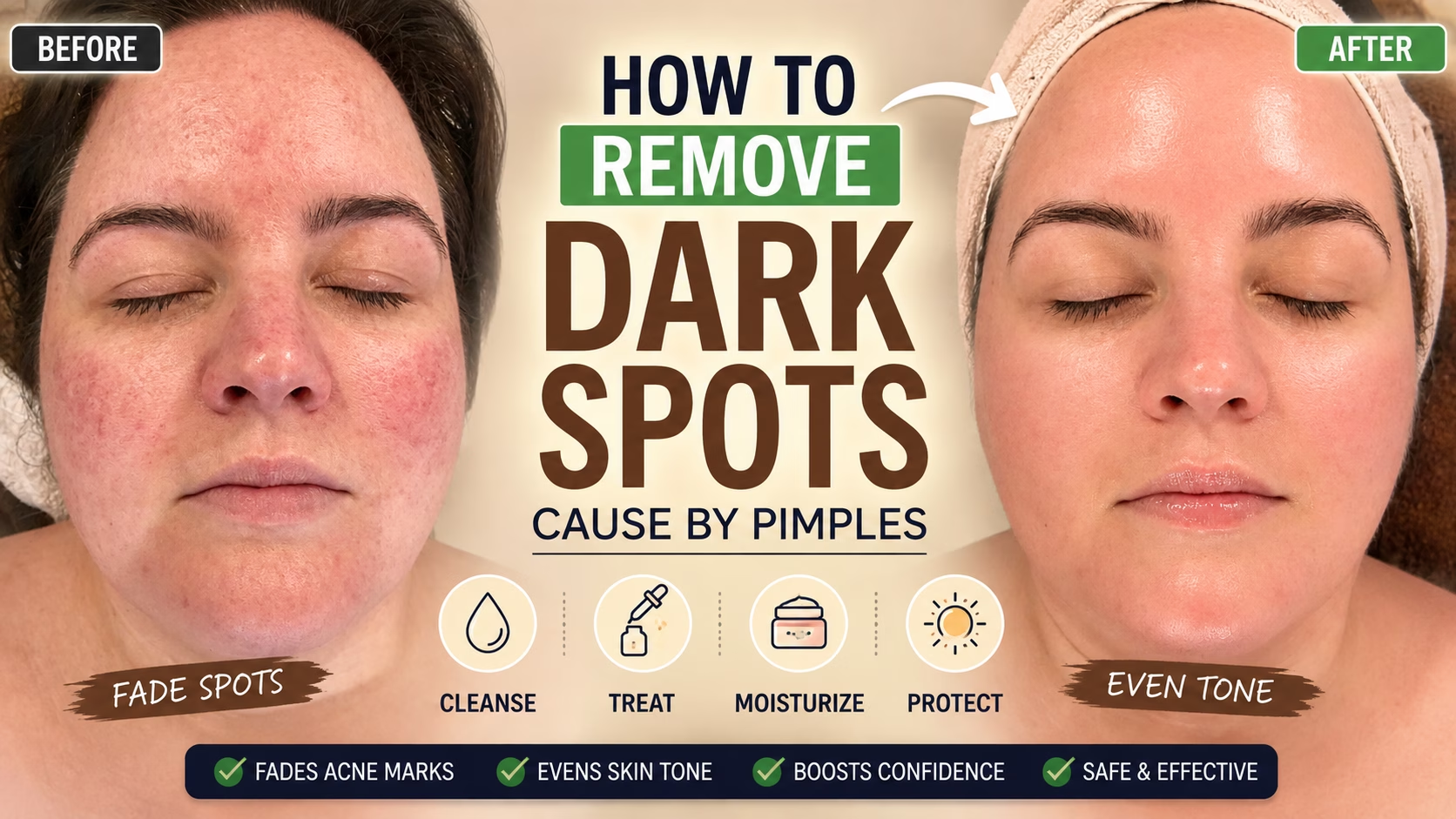
Table of Contents
AI Summary
Dark spots caused by pimples are usually post-inflammatory hyperpigmentation (PIH). These are not permanent scars and can be reduced with good skin care, sun protection and time. Niacin amide, azelaic acid, retinoid, and Vitamin C can help improve pigmentation, while dermatologist treatments such as chemical peels, microneedling and laser therapy may be beneficial for stubborn dark spots. The key to preventing new acne scarring is early treatment.
TL;DR
- Post-inflammatory hyperpigmentation (PIH) is often the cause of the dark spots that occur after acne.
- They are not acne scars as the skin stays smooth.
- Sunscreen is key to preventing the darkening of spots.
- Ingredients that are often recommended include niacinamide, azelaic acid, vitamin C, and retinoids.
- Acne will lead to pigmentation if you pick your pimples.
- Stubborn dark spots are possible to be improved through professional treatments.
- Prompt treatment of acne will prevent any future discoloration.
How to Get Rid Of Dark Spots Caused by Pimples?
Treatment for dark spots from acne may include ingredients with anti-inflammatory properties, which can help reduce inflammation; UV protection, which shields the skin from further sun damage; and ingredients that promote skin renewal, which can help improve the appearance of discoloration. Most spots fade within a few weeks or months, and those that persist may be treated by an aesthetic dermatologist.
Patients typically ask doctors,
“How can I get rid of a pimple dark spot fast?”
The solution is that it takes consistency to fade pigmentation. While there is no magic overnight cure, there are treatments and skincare that are proven to help make a difference to skin tone.
So what are these dark spots that occur after pimples?
Dark spots left behind after acne have healed are flat areas of discoloration. The dermatologists term this Post-Inflammatory Hyperpigmentation (PIH). Dark spots are not like scars of acne since they do not permanently affect the texture of the skin.
They may appear:
- Brown
- Dark brown
- Grey
- Dark blue (in darker skin tones)
Those with a medium to darker skin type are more likely to have a higher PIH because the inflammation in their skin produces more melanin.
So why do pimples cause dark spots?
In answer, when acne becomes inflamed the skin produces excess melanin. After the pimple has healed, there is an excess amount of pigment left behind that produces a dark spot.
Common causes include:
- Clicking or squeezing acne
- Acne with cysts and puss pockets
- Delayed acne scar treatment
- Excess sun exposure
- Hormonal acne
- Repeated breakouts
- Harsh skincare products
Pigmentation is more likely to occur if the inflammation is more intense.
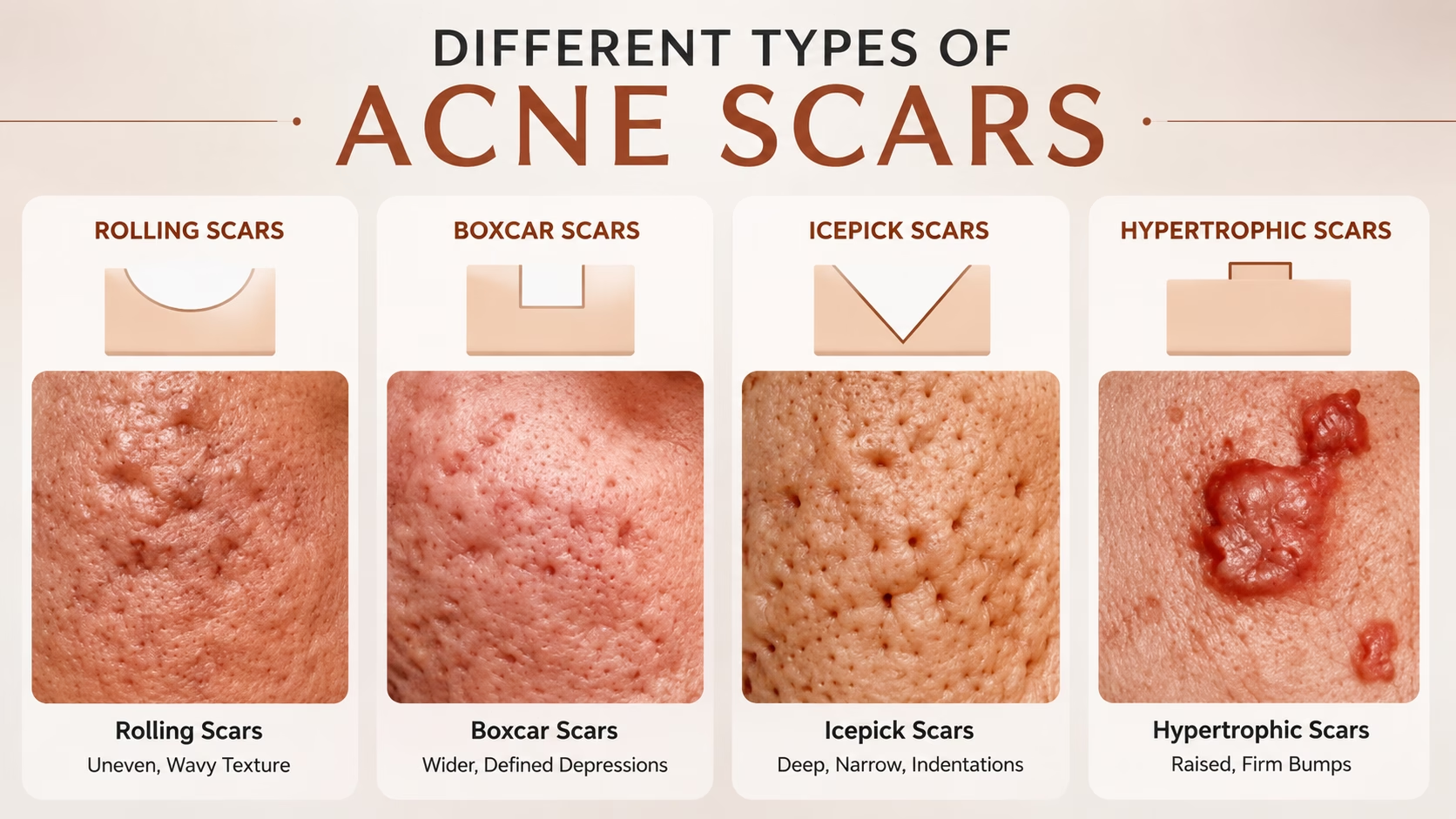
Also Read: How Many Types of Acne Scar to treat by specialist?
Pimple Dark Spots Vs Acne Scars
Dark Spots and Acne Scars will be featured.
Feature | Dark Spots | Acne Scars |
Skin tone | Smooth | Uneven |
Permanent | Usually No | Often Yes |
Pigmentation | Yes | Sometimes |
Natural fading | Yes | Rare |
May require procedures | Sometimes | Often |
How to Get Rid of Dark Spots from Pimples
Dark spots are typically caused by acne, and they can be bothersome. Fortunately, there are ways to get rid of pimple dark spots that dermatologists recommend.
1. Treat active acne first.
Preventing a new acne outbreak is the best way to avoid new dark spots.
2. Never Pick Pimples
Increased pigmentation occurs as a result of picking, which leads to inflammation deeper in the skin.
3. Always wear Sunscreen
A broad-spectrum sun protection factor (SPF) 30 or higher every day will help reduce dark spots from getting darker.
4. Use Niacinamide
Niacinamide will improve pigmentation, boost skin barrier function, and minimize redness.
5. Try Azelaic Acid
A useful treatment for acne prone skin, azelaic acid works to treat acne and post-inflammatory hyperpigmentation.
6. Apply Vitamin C
Vitamin C evens skin tone, prevents environmental damage.
7. Use a Retinoid
Retinoids help to turn over skin cells and eventually lighten pigmentation.
8. Moisturize Your Skin.
Active ingredients are better tolerated and more likely to heal the skin barrier.
9. Avoid Harsh Scrubs
Excessive exfoliation can exacerbate inflammation and that can slow healing.
10. Chemical Peels
If the pigmentation is particularly stubborn, it may be improved by a chemical peel with glycolic acid, salicylic acid or mandelic acid.
11. Microneedling
In addition to helping to improve pigmentation, microneedling can stimulate collagen to produce smoother skin.
12. Laser Treatment
Some lasers that target the pigment can help with persistent dark spots, but must be used after careful assessment of the skin.
13. Stay Consistent
Most dark spots will gradually disappear over time. Generally, the more frequently the products are changed, the less effective they will be, unless the skin care measures undertaken are regular and the sun protection measures are applied.
How long does it take for dark spots to fade after having a pimple?
Most dark spots will fade in 2-3 months while deeper dark spots will fade in 6-12 months depending on skin tone, sun exposure and if acne persists.
Severity | Average Recovery Time |
Mild PIH | 1–3 months |
Moderate PIH | 3–6 months |
Deep pigmentation | 6–12 months |
Is it possible to get rid of dark spots caused by pimples without chemicals?
Answer: There are natural ingredients that can help soothe the skin but wouldn’t always work to remove pigmentation. Most dermatologists prefer ingredients proven to be beneficial to home remedies.
Avoid:
- Lemon juice
- Toothpaste
- Baking soda
These can cause irritation to the skin and even aggravate pigmentation.
Some common problems that prevent dark spots from fading away
- Skipping sunscreen
- Picking pimples
- Using too many exfoliating acids
- Changing your skin care products every week.
- Ignoring active acne
- Washing with products that are not designed for an acne prone complexion.
Experts say that a dermatologist is a perfect choice for expert advice.
One of the most frequent misconceptions for a skin specialist in her daily practice is that dark spots and acne scars are the same condition. Different treatments are needed for them. A dermatologist needs to determine if the problem is pigmentation, redness or permanent scarring, before using chemical peels, lasers or prescription creams.
Our DHA certified specialist at Glow Aesthetics Dermatology Clinic create customized plan of treatment depending on your skin type, acne condition, the pigmentation pattern and lifestyle & gender. Because of the year-round sun exposure in Dubai, UV protection is a major component of all treatment plans, as it can reduce fading unless the right precautions are taken.
Conclusion
The dark spots from acne tend to be temporary and will get better with time, sun protection, and good skin care. The early treatment of acne, avoiding picking, and using ingredients recommended by your dermatologist, like niacinamide, azelaic acid, vitamin C and retinoids, can help diminish pigmentation. However, if dark spots persist for a few months or bother your self-esteem, you may need to seek out special procedures such as chemical peels, microneedling, or laser therapy for further improvement.
FAQs
- What is the safest way to get rid of dark spots caused by acne?
Active acne should be treated, sunscreen should be used every day, and ingredients such as niacinamide, azelaic acid, retinoids, or vitamin C may also be used. If the spots persist, treatment from a dermatologist may be necessary.
- How do I get rid of pimple spots on my face?
Pimple spots usually disappear with regular skincare, sun protection, and acne management. Professional procedures may work on difficult cases of pigmentation.
- Do pimple spots leave permanent dark spots?
No. These spots are usually temporary and tend to disappear, although it can take a few months to see results for deeper pigmentation.
- Does vitamin C lighten dark spots?
Vitamin C assists in lightening the pigmentation and achieving a more uniform skin tone.
- Is sunscreen effective in getting rid of dark spots?
Yes. Sunscreen ensures that there is no further pigmentation due to UV exposure.
- Is niacinamide helpful in fading the marks of acne?
Yes. Niacinamide is usually suggested to treat pigmentation and restore skin barrier function.
- What is the best procedure for stubborn dark spots?
The doctor may suggest chemical peeling, laser therapy, or prescription topicals depending on your case.
- Why do my pimple spots turn dark?
Melanin synthesis is accelerated during inflammation leading to post-inflammatory hyperpigmentation after acne is healed.
- What can I use to get rid of pimples and dark spots at once?
First, treat active acne and choose skincare products that will deal with both pigmentation and acne.
- Can pimple spots be removed using chemical peeling?
Superficial chemical peels may help improve the pigmentation problem due to promoting controlled exfoliation of the skin.
- Whom should I contact regarding pimple dark spots?
Board-certified dermatologist can help you understand if the problem with skin discoloration is related to pigmentation, redness or acne scars and give proper treatment recommendations.
- Do dark spots come back?
The same spots won’t reappear, however, new acne eruptions may create new pigmentation if the problem with acne is not solved.
- Is microneedling good for treating dark spots?
Microneedling can improve some cases of post-acne pigmentation and even combine it with other treatment techniques for better results.
- How to avoid dark spots after pimples?
Take care of acne early, don’t squeeze the pimps, apply daily sun protection and follow proper skincare regime.
Medically Reviewed Skincare Advice
 12+ Years Experience
5,000+ Patients Treated
Dermatology & Aesthetic Skin Therapist
 12+ Years Experience
Get Free Consultation Now!
+971 - 56 548 7001