How Dermatologists Treat Acne? Explains Real Acne Treatments That Work
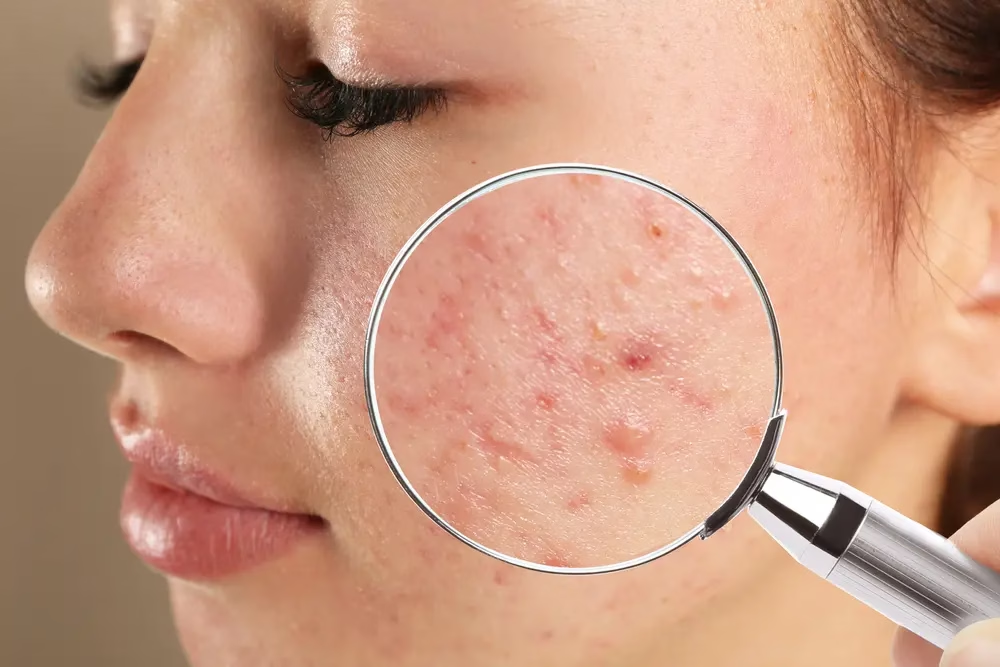
Table of Contents
Medical skin care, prescription medications, chemical peels, laser therapy, and acne scar treatments in dubai are all ways dermatologists can treat acne. Treatment of acne will vary depending on the type of skin, the severity of the acne, hormones, and the risk of scarring. Early care for acne can help to avoid any permanent scarring, pigmentation and further acne outbreaks. Salicylic acid peels, retinoid creams, oral medications, laser acne therapy, microneedling, and customized acne-prone skin care routines are some options for treatment.
In clinic, one thing which patients often ask is:
After trying several products, why is my acne still not clearing up?
I have been treating acne patients for over 10 years, and I know that acne is not a “skin surface problem.” Acne is a skin problem that is caused by inflammation, hormones, bacteria, clogged pores and excess oil production.
Most patients put off professional treatment and attempt the following:
- Social media skincare trends
- Home remedies
- Harsh acne scrubs
- Random online products
- DIY treatments
Unfortunately, this frequently gets worse:
- Inflammatory acne
- Cystic acne
- Post-inflammatory hyperpigmentation
- Acne scars
- Skin sensitivity
Acne Treatment Dubai is the appropriate treatment to use for this disease.
Also Read: Top 7 Dermatologists for Acne in Dubai by Experts in 2026
What is Acne?
Acne is a recurring inflammatory skin disorder that occurs when hair follicles become clogged with:
- Excess oil (sebum)
- Dead skin cells
- Bacteria
- Inflammation
People with acne tend to get it on:
- Face
- Forehead
- Jawline
- Chest
- Back
- Shoulders
Patients often ask:
So, why does one still have acne as an adult, doctor?”
Today, adults are more likely to suffer from acne due to:
- Hormonal imbalance
- Stress
- Poor sleep
- Pollution
- High sugar diets
- Wrong skincare products
How Do Dermatologists Treat Acne?
The dermatologists treat the acne by decreasing the inflammation, controlling bacteria, unclogging the pores, controlling the oil production and averting acne scars by customizing the medical treatments.
Each patient’s acne is unique.
In clinic, I will first assess:
- Type of acne
- Hormonal triggers
- Skin sensitivity
- Acne scar risk
- Previous treatment history
- Oil production level
- Inflammation severity
We develop a specific acne treatment regimen only after a thorough skin evaluation.
Also Read: 7 Dermatologist Secrets to Treating Acne (But You Should Know)
Which Types of Acne do Dermatologists treat?
Comedonal Acne
This usually includes:
- Blackheads
- Whiteheads
- Under skin growths that are small bumps.
Inflammatory Acne
This type includes:
- Red pimples
- Swelling
- Painful acne lesions
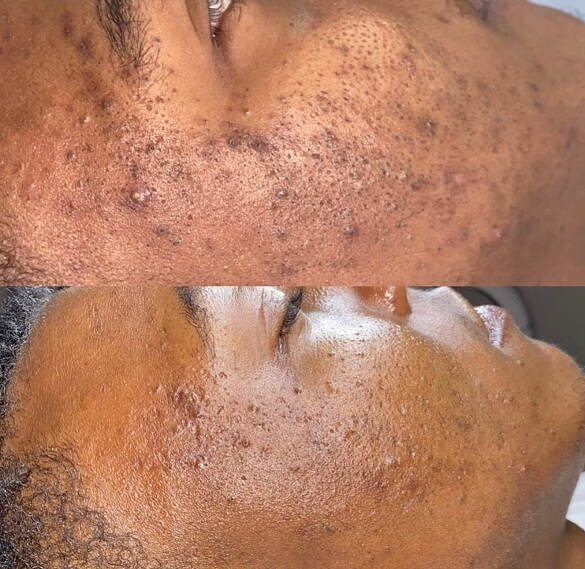
Cystic Acne
When treating cystic acne, patients frequently ask:
Doctor: “Why are you getting pimples under the skin and why do they hurt?”
Cystic acne is a deeper inflammatory acne that results in:
- Painful nodules
- Deep cysts
- Increased risk of acne scars
Hormonal Acne
Hormonal acne typically occurs at about:
- Jawline
- Chin
- Lower cheeks
This is very common in women during their adulthood.
So, What Are The Dermatologists Using In Creams For Acne?
Medical-grade topical medications are used regularly by our Dubai’s dermatologists to manage acne-causing bacteria, excess oil production, clogged pores and inflammation.
Retinoid Creams
Retinoids help:
- Unclog pores
- Improve skin renewal
- Reduce oil buildup
- Prevent future acne breakouts!
Salicylic Acid
Salicylic acid is used to exfoliate pores and enhance acne skin.
Benzoyl Peroxide
This component is effective at lowering the number of acne-causing bacteria and inflammation.
Prescription Antibiotic Creams
These are employed to lower:
- Redness
- Bacterial growth
- Inflammatory acne
Do Dermatologists Prescribe Oral Medicines for Acne?
Yes. If you have moderate and severe acne, you may need oral medications in addition to creams.
Patients frequently ask:
“When will I need to take acne tablets, doctor?”
Oral medicines are usually recommended for:
- Cystic acne
- Hormonal acne
- Painful inflammatory acne
- Acne causing scars
Oral Antibiotics
These help reduce:
- Inflammation
- Bacteria
- Painful breakouts
Hormonal Treatment
Medications that affect hormones can sometimes clear up hormonal acne.
Isotretinoin (Accutane)
This treatment is frequently used in the treatment of:
- Severe cystic acne
- Acne scars
- Resistant acne
The medicine needs special supervision by the dermatologist.
Does Chemical Peel Help Acne?
Yes. Chemical peels are used to diminish acne, excess oil, plugged pores and acne pigmentation on face.
Patients frequently ask:
Can Chemical peels help fade acne scars? but you should consult your doctor to determine if they are suitable for you.
Chemical peels can result in a dramatic improvement of:
- Acne marks
- Post-inflammatory hyperpigmentation
- Uneven skin texture
- Oily skin
There are a number of common acne peels that you can choose from:
- Salicylic acid peel
- Glycolic acid peel
- Medical acne peel
Chemical Peel in Dubai is the perfect treatment for restoring your skin’s youthful glow.
Do Laser Treatments Work for Acne?
Yes. The modern laser treatment for acne can help in the reduction of acne, acne scars, redness, and irregularities in the texture of the skin.
Dermatologists may use:
Laser treatments that trigger collagen remodeling and enhance the appearance of acne scars.
What are the Options for Dermatologists when treating Acne Scars?
Collagen-stimulating techniques and advanced resurfacing treatments are used by dermatologists to treat acne scars.
Patients commonly ask:
“Is there any way to get rid of acne scars permanently?”
Most acne scars can improve by all means, although it will not be possible to completely remove all acne scars, the scar’s depth and skin condition determine this.
There are several common treatments for acne scars, such as:
- Microneedling
- PRP therapy for face
- Fractional CO2 laser
- Subcision
- TCA CROSS treatment
Microneedling Treatment in Dubai is a very similar procedure to tiny needling, but it involves a smaller needle.
Also Read: 7 Dermatologist for Acne Prone Skin in Dubai: Relied Name to Clear Healthy Skin
Does Diet Have An Impact On Acne?
Yes. Some people may be sensitive to certain foods and they can trigger acne, particularly inflammatory and hormonal acne.
Some of the potential causes of acne are:
- High sugar foods
- Processed foods
- Excess dairy
- Fast food
- Whey protein supplements
Nutritious eating, drinking water, sleep and stress management, help maintain healthy skin.
What Are The Things That Cause Acne To Become Worse?
There are a number of things you can do on a daily basis that can aggravate acne and make it more likely to lead to acne scars.
Over washing the Face
This compromises the skin barrier and aggravates the irritation.
Picking Pimples
This increases:
- Scarring
- Pigmentation
- Infection risk
Following Social Media Trends
Not all viral beauty trends are skin safe for acne.
When Should You See a Dermatologist for Acne?
Seek a skin specialist’s opinion if:
- Acne becomes painful
- Scars start appearing
- Breakouts continue for months
- Skin becomes sensitive
- Over-the-counter products fail
Treatment early in the course of the illness is likely to be more successful in the long term.
Also Read: How Microneedling Works on Acne? Basics You Should Know
Trusted Medical Resources
Other sources for information on acne are:
Final Thoughts
Acne is a skin disease which can be medically treated at the initial stage, before permanent acne scars and pigmentation develop. Acne can be successfully controlled with customized medical skincare, oral medications, laser therapy and chemical peels as well as acne scar treatments in modern dermatology treatments.
The sooner professional acne treatment is started, the less likely the skin can be damaged and the more likely it is to gain the confidence of its users without causing harm to the skin.
Medically Reviewed Skincare Advice
 12+ Years Experience
5,000+ Patients Treated
Dermatology & Aesthetic Skin Therapist
 12+ Years Experience
Get Free Consultation Now!
+971 - 56 548 7001