How to Prevent Hair Loss: 10 Tips by Dermatologist?
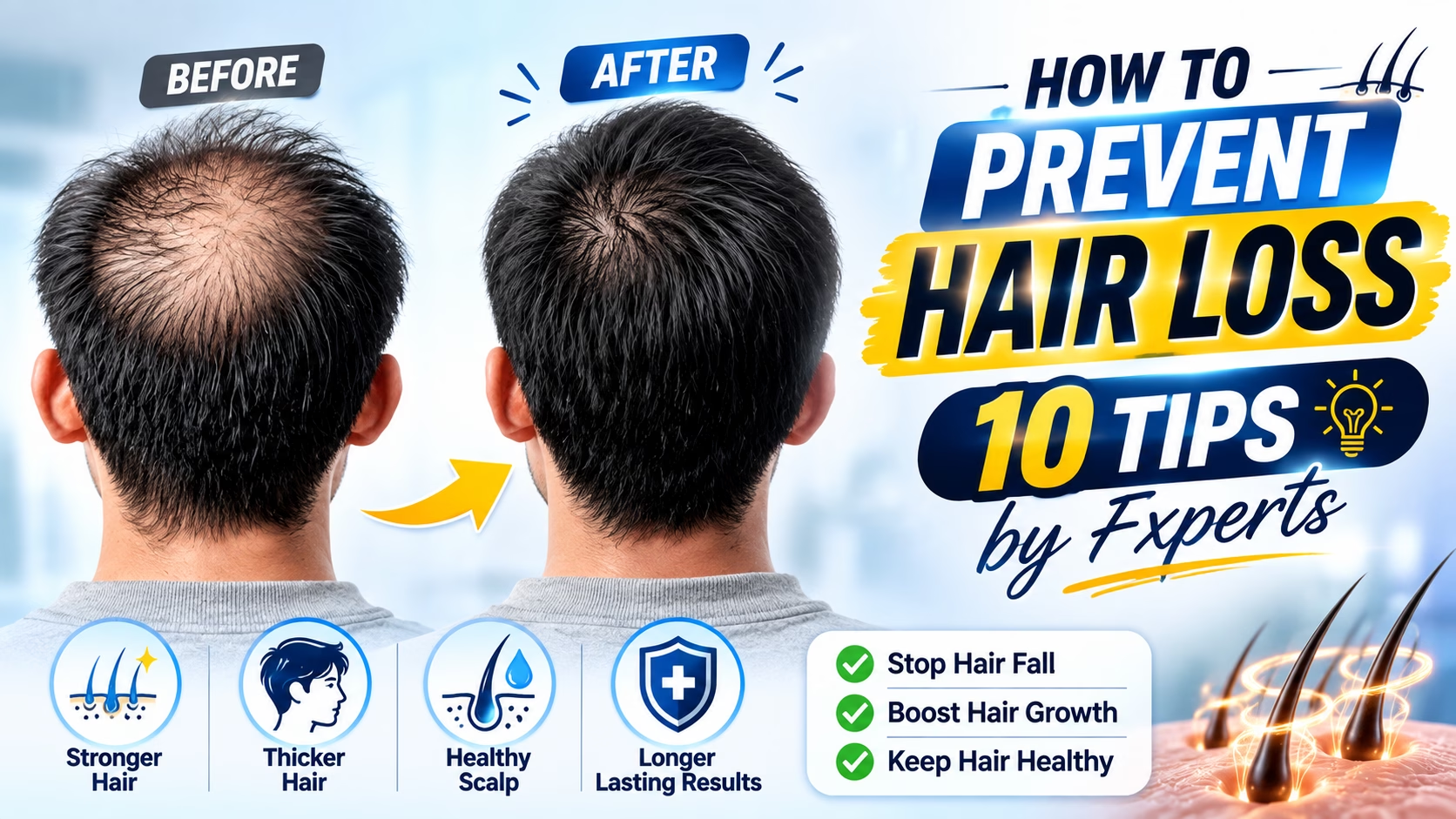
Table of Contents
Direct Answer
Hair loss can be prevented effectively if its underlying cause is determined at an early stage. Hair loss problems can be minimized through proper nutrition, addressing nutrient deficiencies, managing stress, treating scalp disorders, proper hair care, and consulting your physician in case hair shedding continues for more than 6-8 weeks. Early detection of hair loss problem provides the best chances of preventing further hair loss and retaining existing hair, according to the AAD and NIH.
TL;DR
- Preventive measures for hair loss begin with determining its cause.
- Consume sufficient protein, iron, vitamin D, zinc, and vitamin B12.
- Treat dandruff and inflammation of the scalp in time.
- Don’t tie your hair into tight hairstyles and use too much heat and harmful chemicals.
- Manage stress, get enough sleep, and stay healthy.
- If your hair continues to shed for more than 6-8 weeks, consult a dermatologist.
In Glow Aesthetics Dermatology Clinic, hair restoration dermatologists tailor individual treatment plans depending on scalp analysis.
Anxious about hair loss every time you comb or shampoo?
Hair loss is one of the most frequent complaints that is brought up in dermatology clinics in Dubai and Hair Specialist clinic in Sharjah. Though losing 50-100 hairs per day is a normal process, shedding more than it, or hair thinning and hair part widening may be a sign of some medical disorder.
The good news is that most of the kinds of hair loss can be prevented or at least decelerated when its cause is diagnosed early. You should forget about viral home remedies or supplements; prevention should be based on the health of your scalp, proper nutrition, hormonal balance and evidence-based medicine.
What is the Possible Reason for Hair Fall?
The first step in preventing hair loss is to determine the cause.
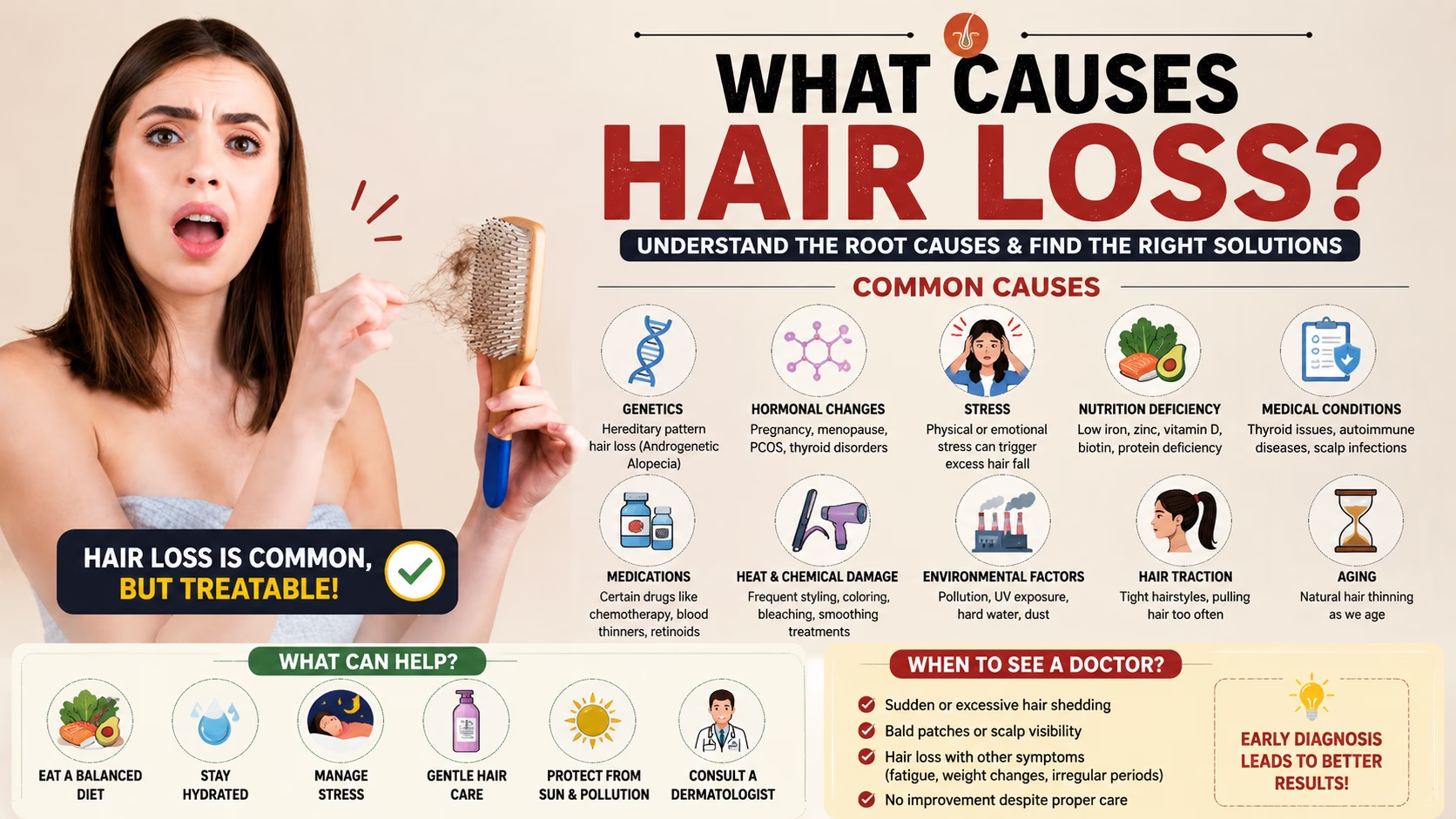
Hair loss is not a disease, it is a symptom. Common causes include:
- Hair Loss due to genetics (aka Androgenetic Alopecia)
- Iron deficiency
- Vitamin D deficiency
- Vitamin B12 deficiency
- Zinc deficiency
- Thyroid disorders
- Hormonal imbalance (such as PCOS)
- Hair thinning at the crown/vertex or crown/back area (diffuse thinning)
- Conditions on the scalp like dandruff or seborrheic dermatitis
- Certain medications
- A quick loss of weight, or crash dieting.
The first step to successful treatment and prevention is to determine the underlying cause, according to the National Institute of Arthritis and Musculoskeletal and Skin Diseases (NIAMS).
Also Read: Can Creatine Cause Hair Loss?
10 Expert Tips to prevent Hair loss naturally.
1. Eat Enough Protein Every Day.
Keratin is a protein that makes up the bulk of hair. Inadequate dietary protein can result in reduced growth and increased hair loss.
Add the following foods:
- Eggs
- Fish
- Chicken
- Lentils
- Greek yogurt
- Beans
- Nuts
2. Correcting Vitamin Deficiencies
Low iron, vitamin D, vitamin B12 and zinc are frequently found to be associated with excessive hair fall.
The National Institutes of Health Office of Dietary Supplements suggests that supplements take only when a deficiency is diagnosed by a proper blood test.
Also Read: These Vitamin Deficiency Causes Hair Loss by Experts
3. Keep Your Scalp Healthy
Healthy Scalp = Healthy Hair.
Use the following treatment for conditions like:
- Dandruff
- Seborrheic dermatitis
- Excess scalp oil
- Scalp inflammation
- Fungal scalp infections
If the itchy scalp persists, some hair may fall out temporarily.
4. Avoid Tight Hairstyles
Repeated pulling from:
- Tight ponytails
- Braids
- Hair extensions
- Tight buns
may lead to traction alopecia, which is an avoidable hair loss.
5. Minimize heat and chemical damage.
Frequent use of:
- Hair straighteners
- Curling irons
- Bleaching
- Repeated hair colouring
- Chemical straightening
- Can make the hair shaft weaker and make it break easily.
Take time between chemical treatments to give hair a break.
6. Manage Stress
Stress, whether physical or emotional, can cause Telogen Effluvium, which causes hair to fall out several weeks after the stress.
Helpful habits include:
- Regular exercise
- Meditation
- Adequate sleep
- Deep breathing
- Balanced work-life routine
7. Avoid Crash Diets
The body has to respond to the sudden loss of weight by letting some hair fall out, as fewer nutrients are available for healthy hair growth.
Instead, focus on slow and steady weight changes.
Also Read: Can Iron Deficiency Cause Hair Loss?
8. Take care of your hair properly.
A lot of people who do not like to use shampoo believe that their hair will fall out once they wash it.
This is a myth.
Regular cleansing removes:
- Excess oil
- Sweat
- Dead skin
- Product build-up
and creates a healthy scalp environment.
Find Other Ways: What Causes Hair Loss in Women & Mens? Facts by Experts
9. Don’t Smoke
Smoking has been shown to cause oxidative stress, impair blood flow to hair follicles, and be a factor in prematurely thinning hair.
Quitting smoking is good for the scalp and whole body.
10. Go to a Dermatologist’s Clinic early.
It’s easier to control hair loss when it is in its early stages.
Early diagnosis increases chances of maintaining the hair that is already there and choosing the best treatment.
When is now the right time to visit the dermatologist?
Listen to the warning signs, don’t ignore them.
If you see any of these signs, book an evaluation for your hair:
- If hair shedding does not stop within 6-8 weeks.
- Increased hair parting
- Receding hairline
- Bald patches
- Redness or pain of the skin on the scalp
- Extreme itching or dandruff.
- Hair starts to become thin and thin.
Surgical treatment early in the disease can yield better long-term results.
Also Read Helpful: With These Qualities Dermatologist Good for Hair Loss in Sharjah & Dubai
What to expect when you visit a hair loss clinic?
Treatment should follow a proper diagnosis.
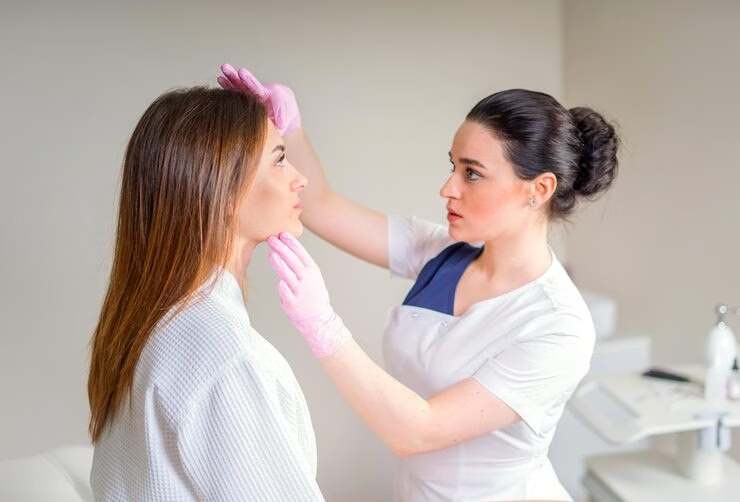
Hair restoration starts with an evaluation at Glow Aesthetics Dermatology Clinic, and not a one-size-fits-all approach.
The consultation could cover:
- Medical history
- Scalp examination
- Hair pull test
- Trichoscopy (Digital scalp analysis)
- When clinically indicated, blood tests are performed.
Individual treatment plan created based on results.
Hair thinning patients are typically assessed by experienced dermatologists like Dr. Swati Kadam, Dr. Priya Kumari and Dr. Sana Amjad, who frequently treat patients with androgenetic alopecia, telogen effluvium, nutritional hair loss and scalp disorders.
Healthy Habits vs Hair-Damaging Habits
Healthy Habits | Habits That May Increase Hair Loss |
Balanced diet | Crash dieting |
Treat dandruff early | Ignoring scalp problems |
Gentle hair care | Tight hairstyles |
Regular sleep | Chronic stress |
Correct vitamin deficiencies | Self-prescribing supplements |
Waiting until hair loss becomes severe |
Expert Tips
- Include adequate amounts of protein in each meal.
- Avoid over-exposure of the scalp to the sun.
- Don’t take unnecessary supplements without a blood test.
- Treat dandruff promptly.
- If hair is wet, be gentle when brushing.
- Consult with a doctor before using social media products or procedures as a remedy for hair problems.
Common Mistakes
Follow these tips to avoid common mistakes:
- Waiting too long to get help.
- All hair loss is thought to be caused by genes.
- Use of high doses of biotin without medical supervision.
- Switching shampoos often hoping to see immediate results.
- Failure to treat thyroid disease or nutritional deficiencies.
- Taking an unconfirmed line from the Internet.
Frequently Asked Questions
- Is it possible to prevent hair loss?
When the cause of hair loss is identified and addressed early, there are many types of hair loss that can be diminished or slowed down.
- The specific vitamin that is responsible for causing hair loss is?
The most common are iron deficiency, vitamin D deficiency, vitamin B12 deficiency and zinc deficiency.
- Is stress a cause of hair loss?
Yes. Temporary hair loss, called “telogen effluvium,” can occur due to physical or emotional stress.
- Does dandruff cause hair loss?
Dandruff can cause inflammation of the scalp, followed by scratching and lead to temporary hair loss, but it does not inevitably lead to permanent hair loss.
- Does a bad diet lead to hair loss?
Yes. To grow healthy hair, hair follicles need protein, vitamins, and minerals.
- Is it bad to wash your hair daily?
Not necessarily. The frequency of shampoos varies by person and counteracts the skin type.
- At what age is it OK to notice hair loss?
40 and above. Seek a dermatologist’s advice if you see hair loss or if it persists for longer than 6 to 8 weeks.
- Is there a way to stop them from being passed on?
Although genetic hair loss is not always preventable, when treated early, it may help to slow the progression of the hair loss.
- Is it advisable for me to eat hair vitamins?
Unless your health care provider has tested your body for a deficiency.
- Who is the doctor that treats hair loss?
A board-certified dermatologist is the best type of specialist to diagnose and treat hair loss.
Lastly, How to prevent hair loss?
Prevention of hair loss begins with knowing the reason of its happening. Proper diet, correction of nutrient deficiencies, management of stress, treatment of scalp conditions and visiting dermatologist at the earliest stages are the most efficient prevention measures currently supported by the scientific evidence. Since there are many causes of hair loss, self-treatment is inefficient.
In case you have problems with hair shedding or thinning, our skilled doctors at Glow Aesthetics Dermatology Clinic can do a thorough examination of your scalp, find out the cause of hair loss and create an individual treatment regimen.
References
- American Academy of Dermatology (AAD): Hair loss overview – https://www.aad.org/public/diseases/hair-loss
- National Institutes of Health (NIH) – Office of Dietary Supplements: https://ods.od.nih.gov/
- National Institute of Arthritis and Musculoskeletal and Skin Diseases (NIAMS): Hair Loss Overview – https://www.niams.nih.gov/
- MedlinePlus (U.S. National Library of Medicine): Hair Loss – https://medlineplus.gov/hairloss.html
- PubMed: Research on hair loss, nutrition, and scalp disorders – https://pubmed.ncbi.nlm.nih.gov/
Medically Reviewed Skincare Advice
 12+ Years Experience
5,000+ Patients Treated
Dermatology & Aesthetic Skin Therapist
 12+ Years Experience
Get Free Consultation Now!
+971 - 56 548 7001